

What Happens to Your Body After 35
After your mid-30s, several physiological changes begin that directly impact athletic performance and body composition. Muscle mass starts declining at roughly 1% per year — a process called sarcopenia. Strength decreases. Recovery slows. Bone density begins to drop. Cognitive function gradually declines. These changes are real, measurable, and — to a significant degree — modifiable with the right training and supplementation.
Creatine monohydrate is one of the most well-supported interventions for addressing multiple aspects of age-related physical and cognitive decline simultaneously.
Creatine and Muscle Mass Preservation
Sarcopenia — age-related muscle loss — is one of the most significant health risks of aging. It's associated with increased fall risk, reduced metabolic rate, loss of independence, and worse outcomes across virtually every health metric. Resistance training is the primary intervention, but creatine amplifies its effects.
Research in older adults consistently shows that creatine supplementation combined with resistance training produces greater gains in muscle mass and strength than resistance training alone. For masters athletes and older gym-goers, this makes creatine one of the highest-value supplements available.
Creatine and Bone Health
Emerging research suggests creatine may support bone mineral density, particularly when combined with resistance training. This is especially relevant for women post-menopause and older men, both of whom face accelerated bone density loss. While the evidence is still developing, the risk-benefit profile of creatine makes it worth including for this potential benefit alone.
Creatine and Cognitive Aging
Brain creatine levels decline with age, and this decline is associated with reduced cognitive performance. Supplementing with creatine monohydrate has been shown to improve working memory, processing speed, and mental energy in older adults — benefits that are particularly pronounced in this population compared to younger adults who already have higher baseline creatine levels.
Creatine and Recovery
Recovery slows with age — older athletes need more time between hard sessions and are more susceptible to overtraining. Creatine supports faster recovery by replenishing phosphocreatine stores more quickly between efforts, reducing muscle damage markers after intense training, and supporting the cellular energy systems that drive repair.
The Dose Doesn't Change
Older athletes use the same protocol: 3–5g of creatine monohydrate daily, consistently. Some research suggests older adults may benefit from the higher end of this range (5g) due to potentially reduced creatine synthesis with age.
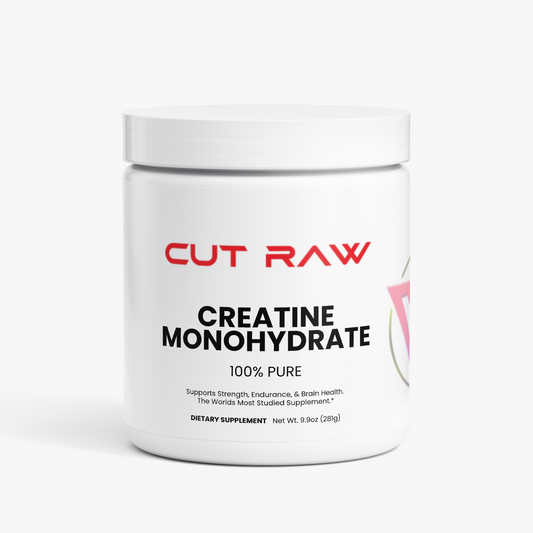
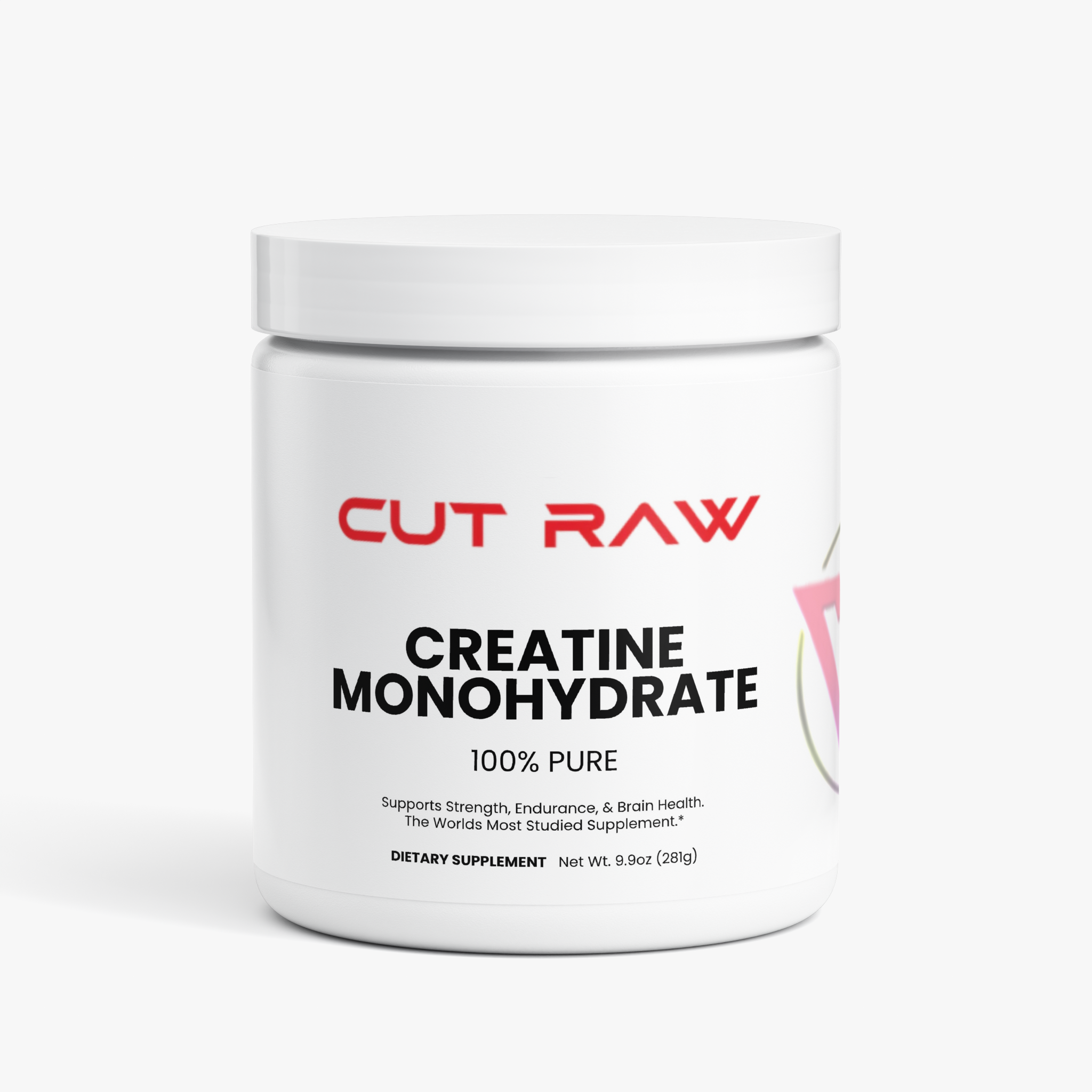
Our Creatine Monohydrate (50 servings) is pure, unflavored creatine monohydrate — no additives, no fillers. Pair it with DOWNSHIFT for sleep and recovery support, and Joint Support for comprehensive joint health as part of a complete longevity-focused supplement stack.
The Bottom Line
If you're over 35 and training seriously, creatine should be a non-negotiable part of your stack. The evidence for its benefits in older athletes — muscle preservation, bone health, cognitive function, and recovery — is stronger than for almost any other supplement. Start now, stay consistent, and let the compounding benefits work over time.