

Creatine Isn't Just for Muscles
Most athletes take creatine for one reason: strength and muscle performance. And it delivers on that front without question. But there's a growing body of research pointing to something most people in the gym have never considered — creatine has meaningful benefits for brain health and cognitive function too.
Here's what the science says, and why this makes creatine one of the most versatile supplements available.
How Creatine Supports the Brain
The brain is one of the most energy-demanding organs in the body, consuming roughly 20% of your total energy despite making up only 2% of your body weight. Like muscle tissue, the brain relies on ATP as its primary energy currency — and like muscle tissue, it uses phosphocreatine to rapidly regenerate ATP during periods of high demand.
Supplementing with creatine increases phosphocreatine stores in the brain, giving it a larger energy buffer to draw from during cognitively demanding tasks. This is the same mechanism that improves physical performance — applied to your most important organ.
What the Research Shows
Studies on creatine and cognitive performance have found:
- Improved working memory — particularly under conditions of mental fatigue or sleep deprivation
- Faster processing speed — reaction time and decision-making speed improve with creatine supplementation
- Reduced mental fatigue — creatine helps the brain sustain output during prolonged cognitive tasks
- Mood support — emerging research suggests creatine may support serotonin metabolism, with some studies showing benefits for mood and depressive symptoms
- Neuroprotection — creatine has shown promise in research on traumatic brain injury and neurodegenerative conditions, likely due to its role in maintaining cellular energy in neurons
Who Benefits Most?
The cognitive benefits of creatine are most pronounced in:
- Sleep-deprived individuals — creatine partially offsets the cognitive impairment caused by poor sleep
- Vegetarians and vegans — who have lower baseline brain creatine levels due to minimal dietary intake
- Older adults — brain creatine levels decline with age; supplementation may help maintain cognitive function
- Combat sports athletes — who face repeated head impacts; creatine's neuroprotective properties are particularly relevant here
The Dose Is the Same
You don't need a special "brain creatine" protocol. The same 3–5g daily dose that saturates your muscles also benefits your brain. Consistency is the key variable — cognitive benefits, like physical benefits, build over weeks of regular supplementation.
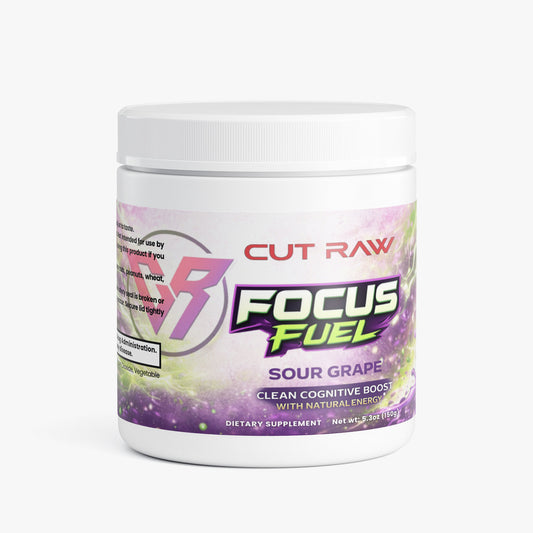
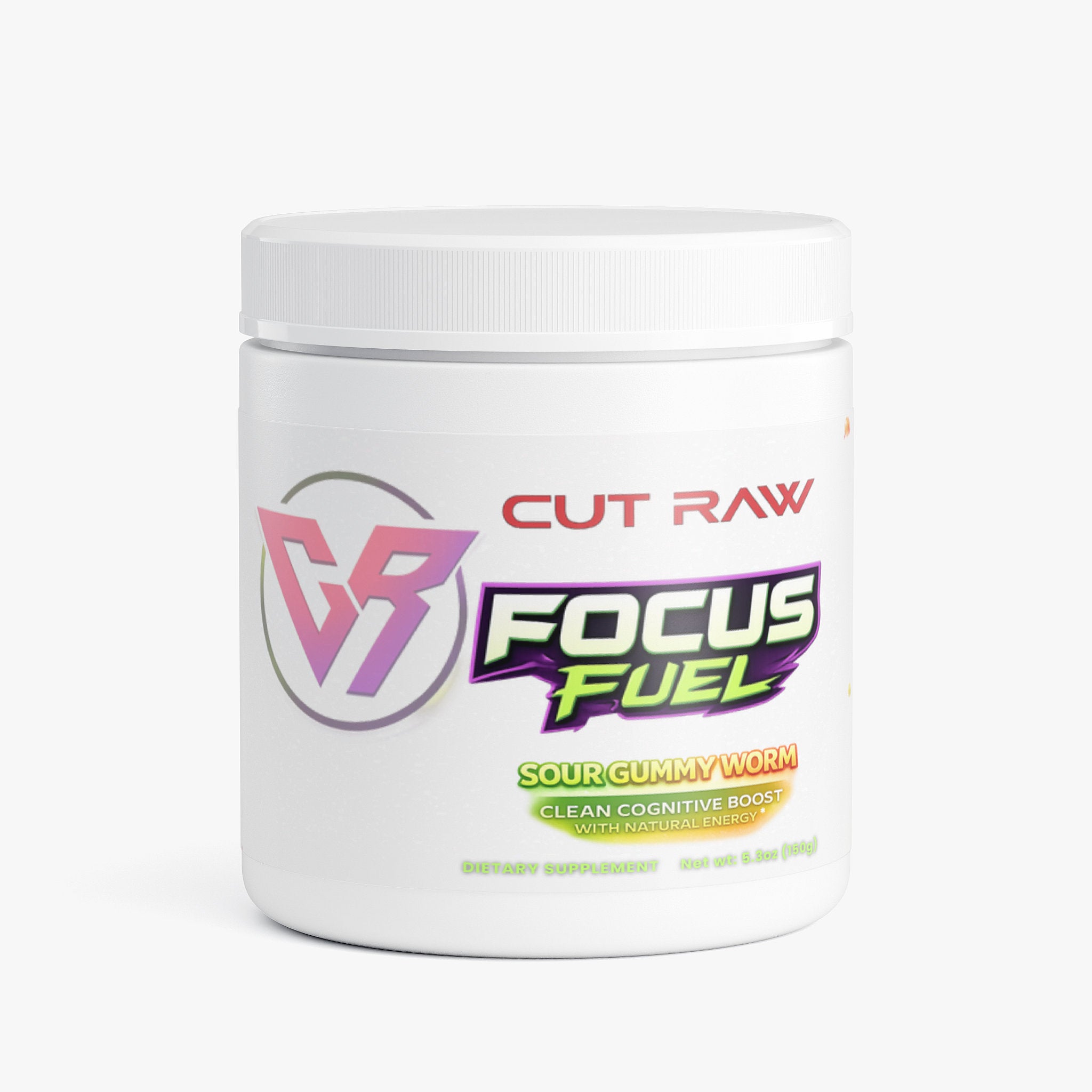
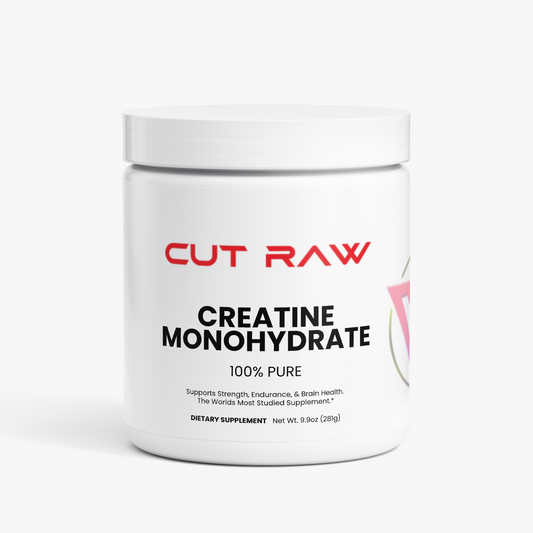
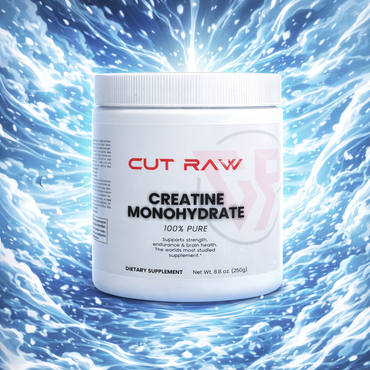
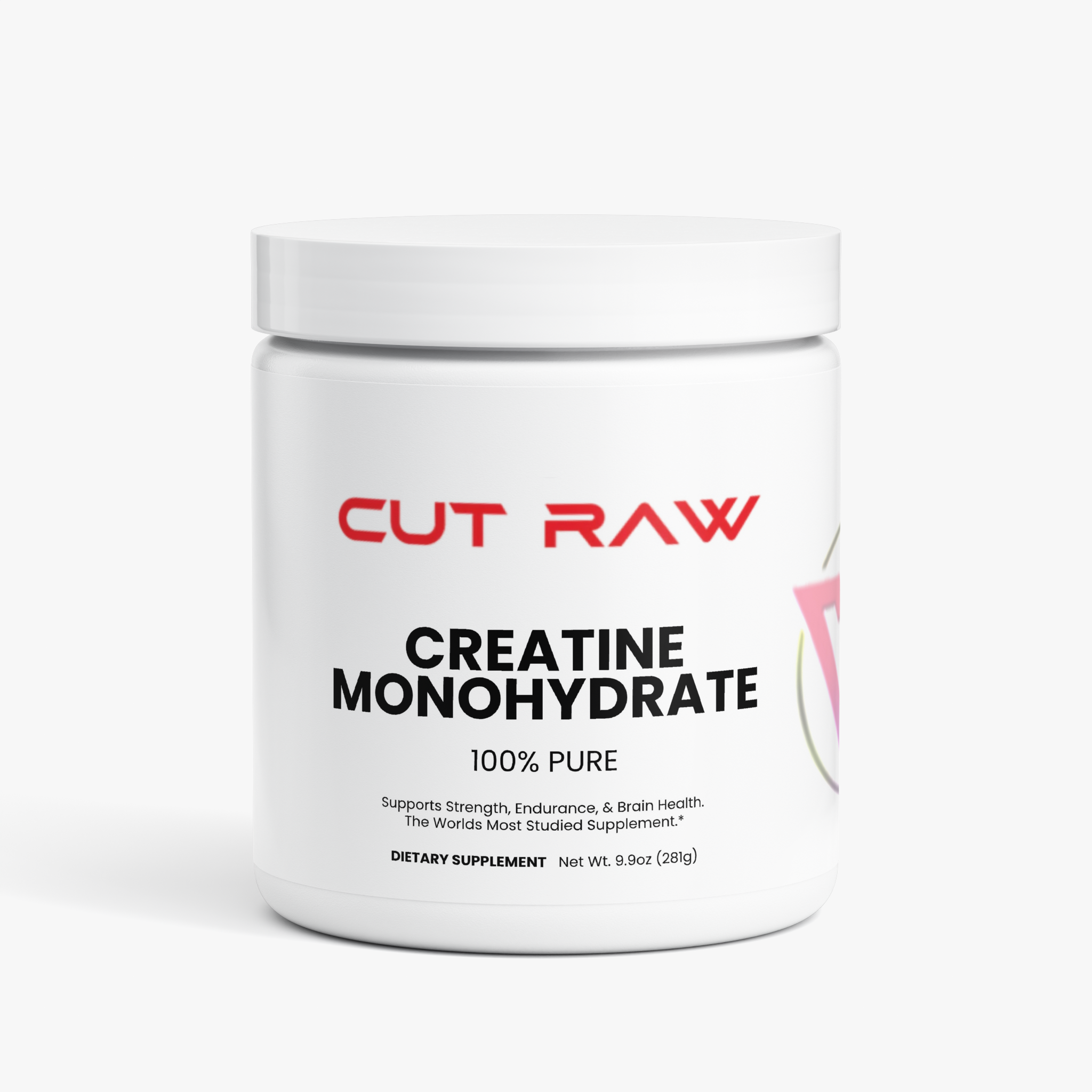
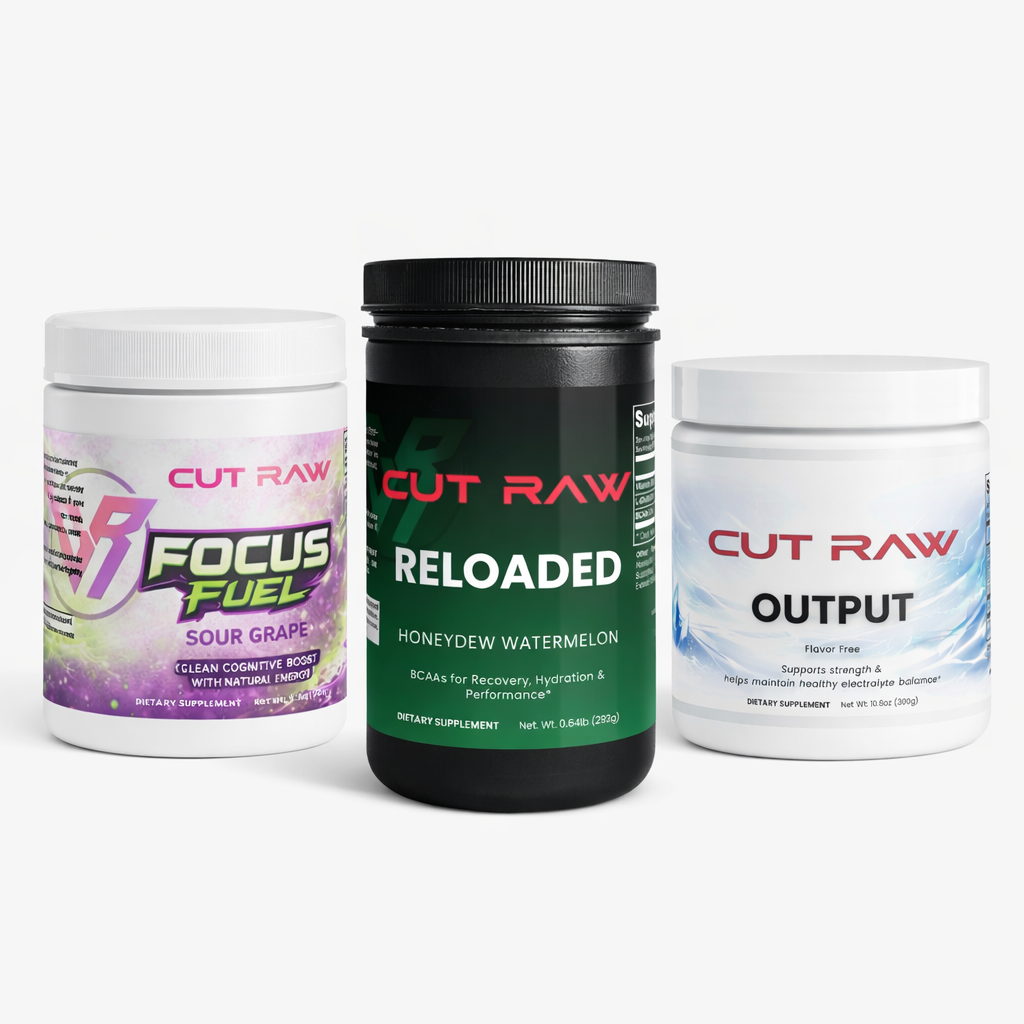
Our Creatine Monohydrate (50 servings) gives you a full 50-day supply of pure creatine monohydrate at 5g per serving. For a complete mental and physical performance stack, pair it with Focus Fuel — covering both the energy and neurotransmitter sides of cognitive performance.
The Bottom Line
Creatine is already one of the most well-supported supplements for physical performance. Its cognitive benefits make it even more compelling — especially for athletes who need to be sharp mentally as well as physically. If you're not taking it yet, the case just got stronger.