


Creatine Is for Strength Athletes — Right?
Creatine's reputation is built on strength and power sports — and for good reason. The research on creatine for weightlifters, sprinters, and combat athletes is overwhelming. But what about endurance athletes? Runners, cyclists, swimmers, and triathletes have largely avoided creatine, assuming it's irrelevant to their sport or that the associated water retention will hurt their performance.
The reality is more nuanced — and more interesting.
Where Creatine Helps Endurance Athletes
Strength training phases
Most endurance athletes include strength training in their programming — and this is where creatine delivers its most direct benefit. Stronger legs, better running economy, improved power output on the bike — all of these translate to better endurance performance, and creatine supports the strength training that builds them.
High-intensity intervals
Endurance training isn't purely aerobic. Interval sessions, hill repeats, and race-pace efforts all rely on the phosphocreatine system for short bursts of high-intensity output. Creatine supplementation increases phosphocreatine stores, improving performance in these high-intensity efforts and accelerating recovery between intervals.
Muscle preservation during high-volume training
High training volumes create significant muscle breakdown. Creatine supports muscle protein synthesis and helps preserve lean mass during heavy training blocks — which is particularly relevant for endurance athletes who often struggle to maintain muscle mass alongside high mileage.
Cognitive performance during long events
Mental fatigue is a real performance limiter in long-duration events. Creatine's cognitive benefits — supporting brain energy and reducing mental fatigue — may provide an edge during the later stages of long races when decision-making and mental resilience matter most.
The Water Retention Concern
The most common objection from endurance athletes is water retention. Creatine does cause a small increase in intramuscular water retention (typically 0.5–1.5kg) as muscles store more creatine. For weight-class sports or events where power-to-weight ratio is critical (climbing in cycling, for example), this is worth considering.
However, this water is stored inside muscle cells — not subcutaneously. It doesn't impair movement or cardiovascular function, and for most endurance athletes, the performance benefits outweigh the minor weight increase.
How Endurance Athletes Should Use Creatine
The protocol is the same: 3–5g of creatine monohydrate daily. Consider timing it around your strength training sessions for maximum benefit. During peak endurance training blocks where weight is a concern, some athletes choose to cycle off — though this isn't necessary for most.
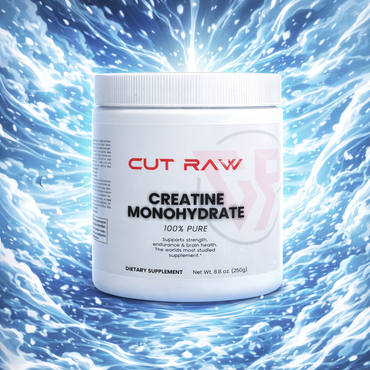
Our Creatine Monohydrate (50 servings) is pure, unflavored creatine monohydrate — easy to add to any shake or drink. Pair it with RELOADED for amino acid support during long training sessions.
The Bottom Line
Creatine isn't just for powerlifters. Endurance athletes who include strength training, interval work, or long-duration events in their programming have real reasons to consider it. The evidence is growing — and the cost of trying it is low.