

One of the most underappreciated challenges of GLP-1 therapy isn't the nausea or the fatigue — it's the nutritional gap that opens up when you're eating 30–50% less food than you used to.
Less food = less protein. Less food = fewer vitamins and minerals. And when those gaps go unfilled, the consequences show up in muscle loss, fatigue, poor recovery, and long-term metabolic damage.
How Much Are GLP-1 Users Actually Eating?
Studies on semaglutide and tirzepatide show that users typically reduce caloric intake by 30–50% compared to baseline. For someone who was eating 2,200 calories per day, that might drop to 1,100–1,500 calories — sometimes even less in the early phases of treatment.
Getting adequate nutrition in that window is extremely difficult, even with a perfectly planned diet.
The Protein Problem
Most health guidelines recommend 0.8–1.0g of protein per pound of body weight for active adults. On GLP-1 medications, the recommendation skews higher — closer to 1.0–1.2g — because you're in a caloric deficit and at elevated risk of muscle loss.
Here's the math: a 160 lb person needs 160–192g of protein daily. That's roughly 6–7 chicken breasts. When your appetite is suppressed and you can barely finish a normal-sized meal, that target is almost impossible to hit through food alone.
The Micronutrient Problem
Micronutrient deficiencies in GLP-1 users are common and often overlooked. The most frequently depleted nutrients include:
- Magnesium — critical for muscle function, sleep, and energy production
- Zinc — supports immune function and protein synthesis
- B Vitamins (B12, B6, Folate) — energy metabolism and neurological health
- Vitamin D — bone density, immune function, and mood regulation
- Iron — oxygen transport and energy levels
The symptoms of these deficiencies — fatigue, brain fog, weakness, poor sleep — are often chalked up to the medication itself, when in reality, they're nutritional in origin and highly addressable.
Why Food Alone Isn't Enough
Even the most disciplined GLP-1 user eating a nutrient-dense diet will likely fall short. Supplementation isn't a shortcut — it's a necessity when your total food volume is this reduced.
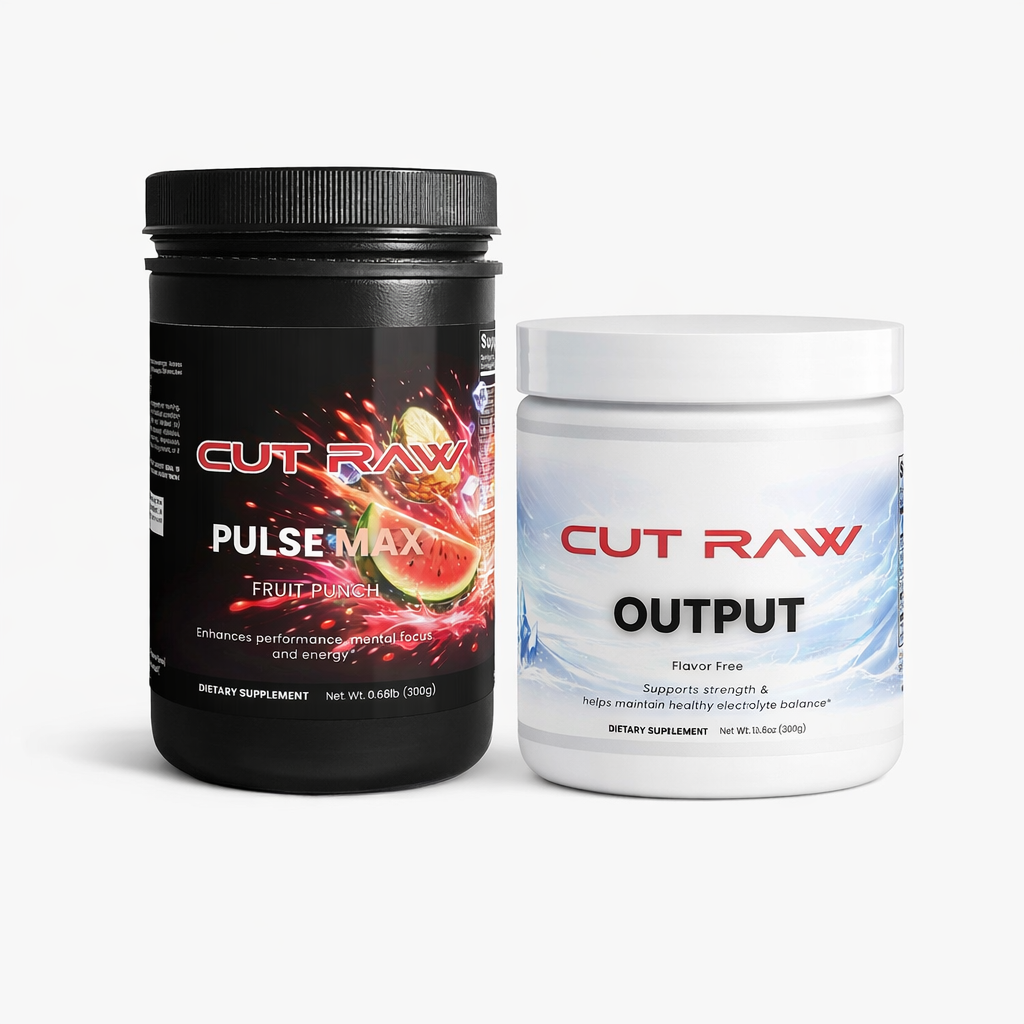
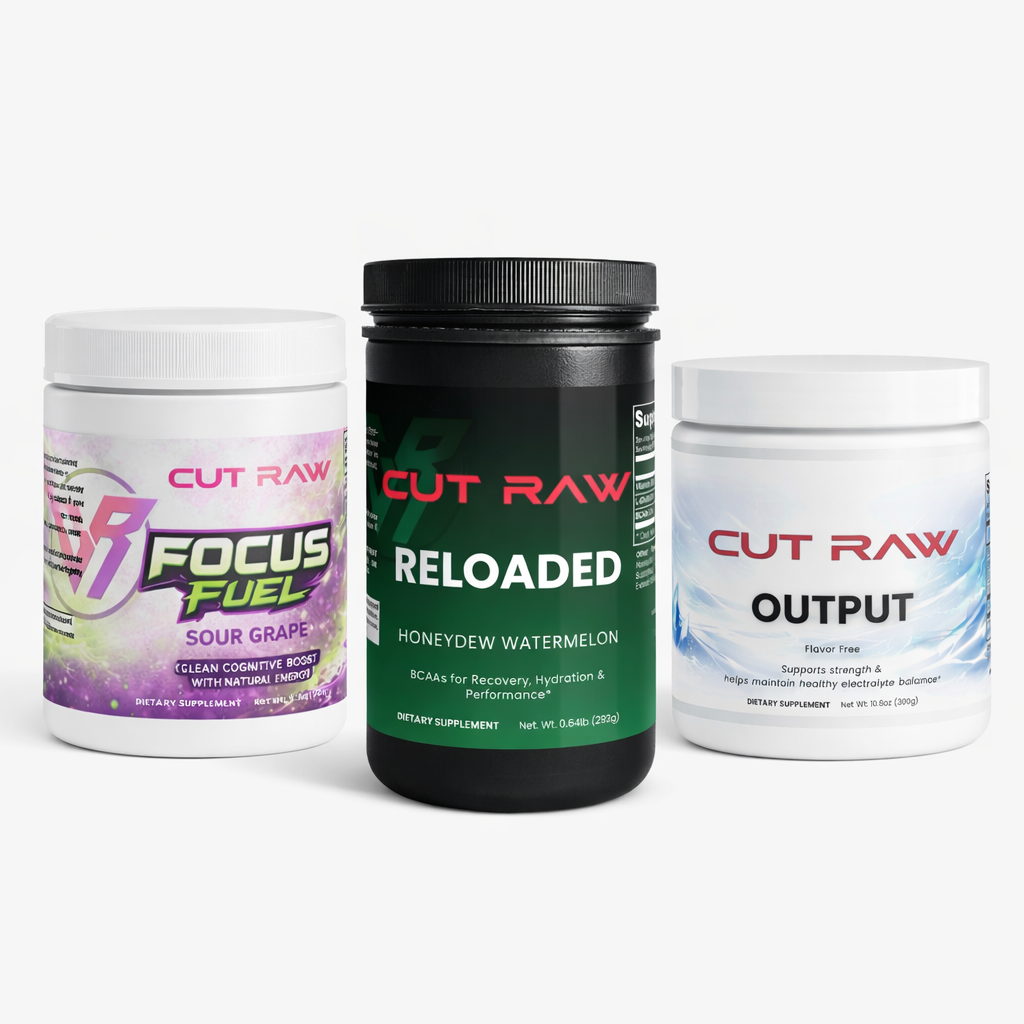
Cut Raw GLP-1 Support is built specifically to fill this gap: amino acid support for muscle protein synthesis plus targeted micronutrient replenishment, in a clean-label formula with no fillers and full transparency.
What a Well-Supported GLP-1 Protocol Looks Like
- Prioritize protein at every meal, even if portions are small
- Choose micronutrient-dense whole foods (eggs, leafy greens, legumes, fish)
- Supplement strategically to cover what food cannot
- Track how you feel — energy, strength, and mood are your leading indicators