


"I Need Better Cardio" — Or Do You?
Every grappler who's ever gassed out mid-round has thought the same thing: I need to run more. Do more cardio. Get in better shape. And while aerobic conditioning absolutely matters, "more cardio" is often the wrong diagnosis for what's actually happening.
Here's the truth: most grapplers gas out not because their cardiovascular system is weak, but because they're using energy inefficiently, carrying unnecessary muscular tension, and lacking the sport-specific work capacity that only structured strength and conditioning can build.
The Real Reasons Grapplers Gas Out
1. Muscular tension and inefficiency
When you're nervous, tired, or in a bad position, you grip harder, tense up, and burn through energy at an accelerated rate. Experienced grapplers conserve energy by staying relaxed and moving efficiently. This is partly a skill issue — but it's also a conditioning issue. Athletes who are physically stronger relative to the demands of the match can afford to be more relaxed.
2. Lack of strength endurance
Grappling isn't just aerobic. It's repeated bursts of high-intensity muscular effort — shooting, sprawling, bridging, scrambling — interspersed with lower-intensity control phases. If your muscles can't sustain repeated explosive efforts, you'll gas out regardless of your VO2 max.
3. Poor recovery between efforts
The ability to recover quickly between explosive exchanges is a trainable quality. Athletes who develop this through structured conditioning finishers can reset faster between scrambles and maintain a higher pace across full rounds.
4. Underdeveloped posterior chain
A weak lower back, glutes, and hamstrings means your body recruits more muscle mass to perform basic grappling movements — burning more energy for the same output. Strengthening these areas makes every movement more efficient.
What Actually Fixes Grappling Conditioning
The solution isn't just more running. It's a structured program that builds:
- Sport-specific strength that reduces the relative effort of grappling movements
- Conditioning finishers that train your body to produce power under fatigue
- Both aerobic and anaerobic energy systems in a way that mirrors the demands of actual rounds
This is exactly what The Maul Method is designed to do. Over 8 weeks, the program systematically builds work capacity, improves recovery between efforts, and raises your overall pace on the mats — through a 3-day lifting schedule that complements your mat time rather than competing with it.
Support Your Conditioning With the Right Supplements
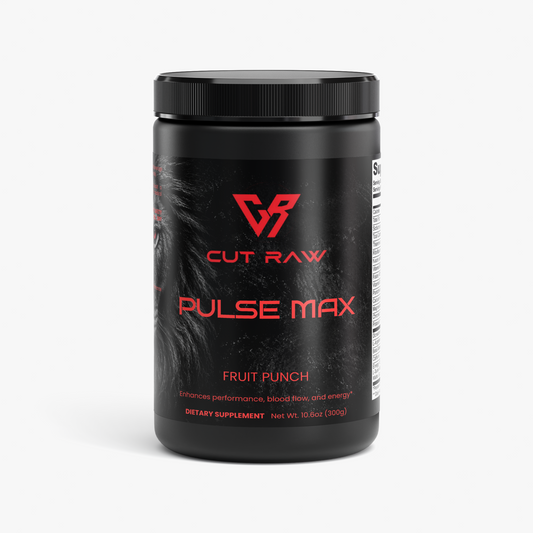
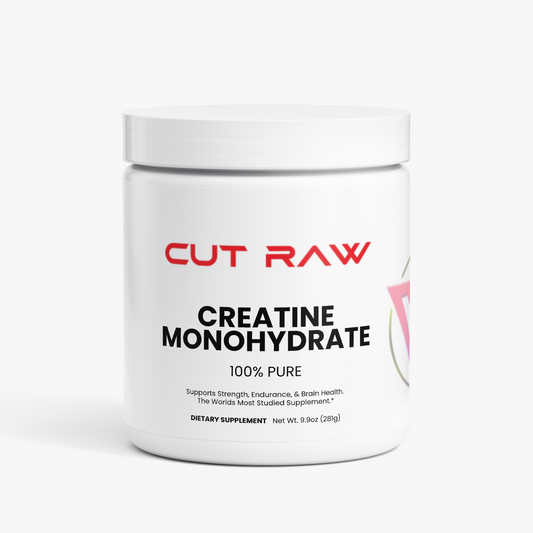
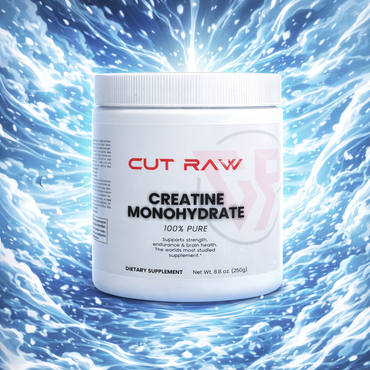
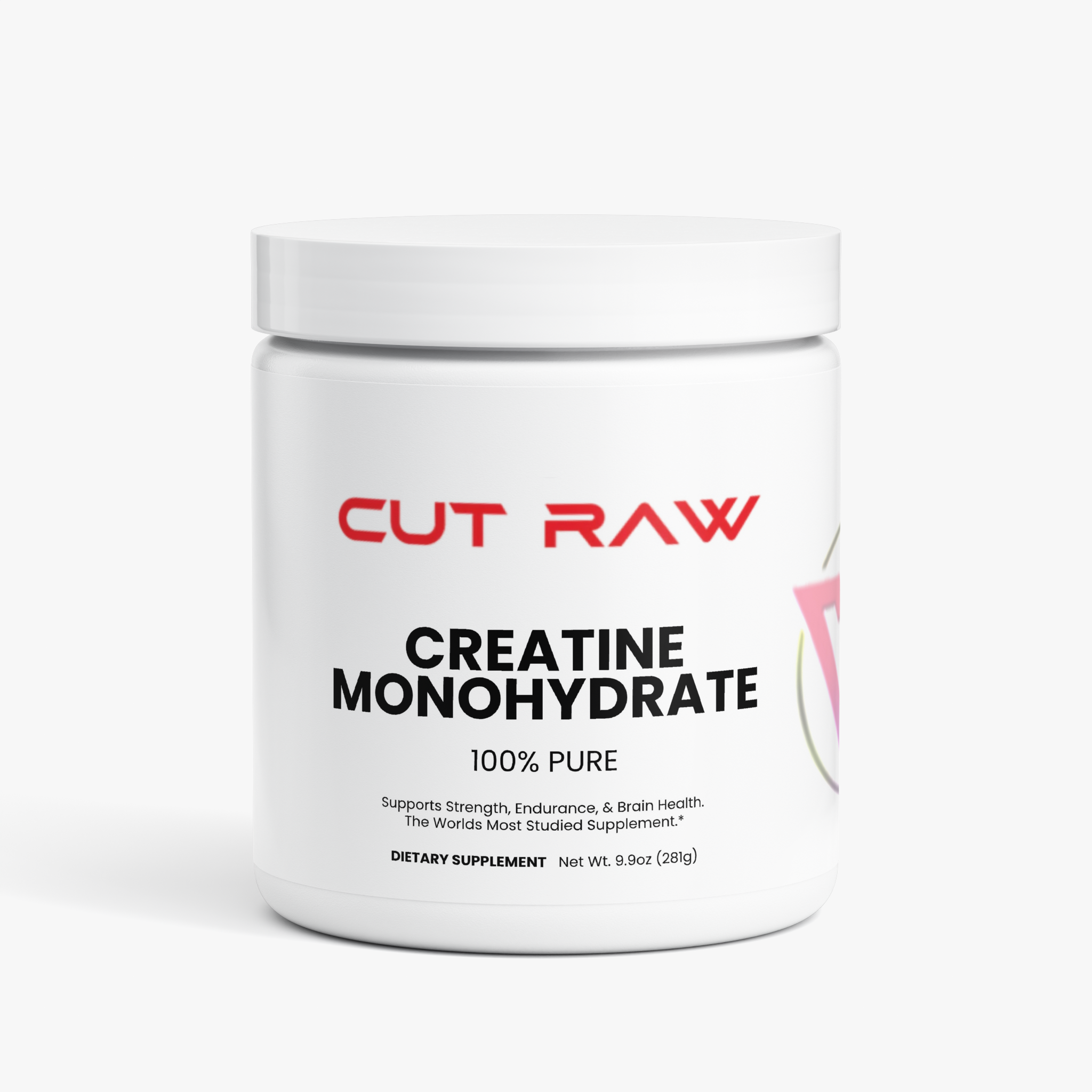
Conditioning adaptations happen during recovery — not during training. Support your 8-week block with PULSE MAX pre-workout for energy and endurance during sessions, Creatine Monohydrate for strength and power output, and DOWNSHIFT to protect your sleep and overnight recovery.
Get The Maul Method for $29.99 and start building the conditioning that actually transfers to the mats.