

The Cutting Phase Problem
Losing body fat while preserving muscle mass is one of the most common and challenging goals in fitness. When you're in a caloric deficit — eating less than you burn — your body doesn't just burn fat for fuel. It also breaks down muscle protein for energy, particularly during and after training. This muscle breakdown (catabolism) is the enemy of body composition goals and athletic performance alike.
BCAAs are one of the most effective tools for minimizing this muscle loss during a cut. Here's how they work and when to use them.
Why Muscle Loss Happens During a Deficit
In a caloric deficit, your body is in a state of energy scarcity. To meet its energy needs, it breaks down stored fat — but it also breaks down muscle protein through a process called gluconeogenesis, converting amino acids into glucose for fuel. This is especially pronounced during fasted training, prolonged sessions, and periods of high training volume.
The result: you lose fat, but you also lose muscle — which reduces strength, slows metabolism, and undermines the athletic performance you've worked to build.
How BCAAs Protect Muscle During a Deficit
BCAAs — particularly leucine — directly stimulate muscle protein synthesis (MPS), the process of building and repairing muscle tissue. When you consume BCAAs during or around training, you're providing the raw materials and the anabolic signal needed to shift the balance from breakdown toward repair.
Specifically, BCAAs during a deficit:
- Reduce muscle protein breakdown — by providing an external amino acid source, BCAAs reduce the body's need to cannibalize muscle tissue for fuel
- Stimulate muscle protein synthesis — leucine activates the mTOR pathway, the primary cellular trigger for muscle repair and growth
- Preserve training performance — maintaining muscle mass during a cut means maintaining strength and power output, so your performance doesn't crater alongside your calories
When to Take BCAAs During a Cut
The most valuable windows for BCAA supplementation during a caloric deficit are:
- Fasted training — if you train before eating, BCAAs provide amino acid availability without breaking your fast significantly (BCAAs are essentially calorie-free)
- During training — sipping BCAAs intra-workout reduces real-time muscle breakdown
- Post-workout — immediately after training to kickstart the recovery and repair process
RELOADED During Your Cut
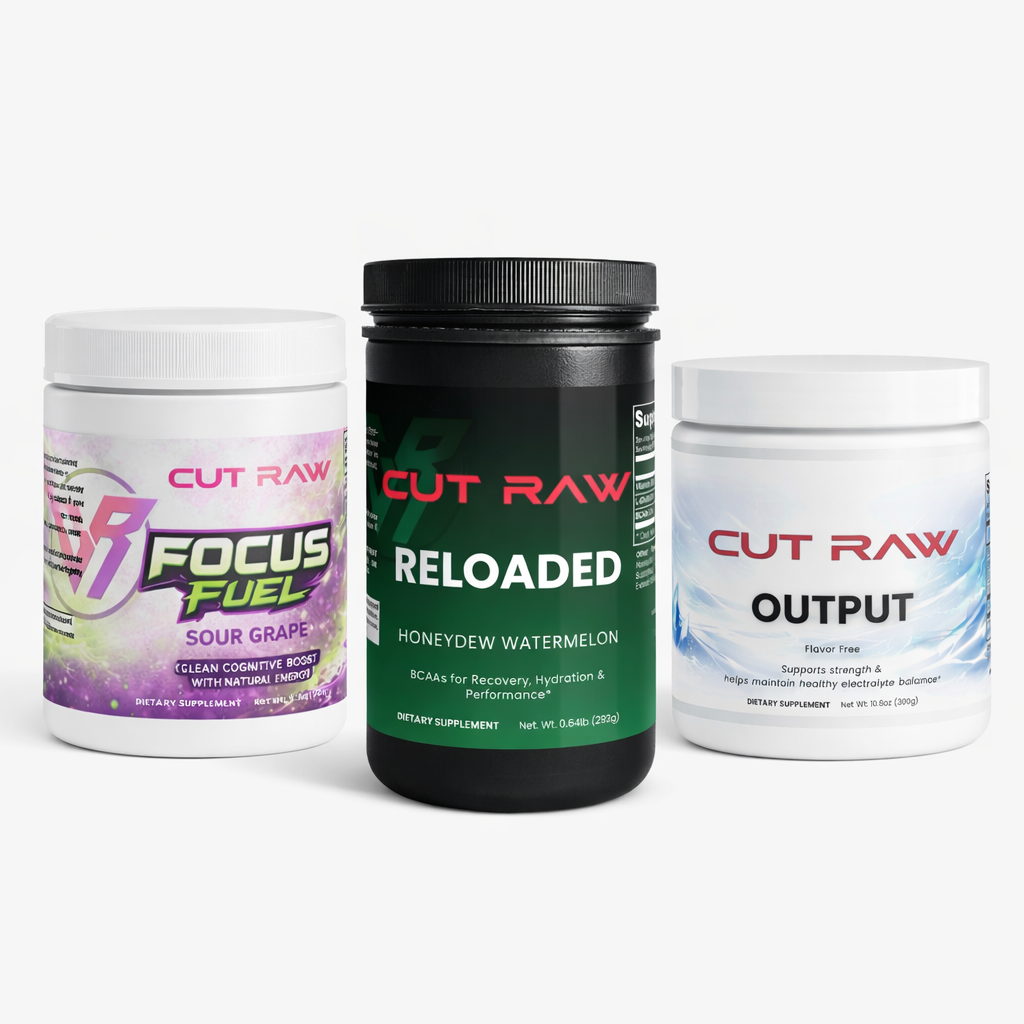
RELOADED delivers 4,000mg of BCAAs at a 2:1:1 ratio and 1,000mg of L-Glutamine per serving — zero stimulants, minimal calories, and a formula designed for daily use. It's one of the most practical tools for protecting muscle during a caloric deficit without adding meaningful macros to your diet.
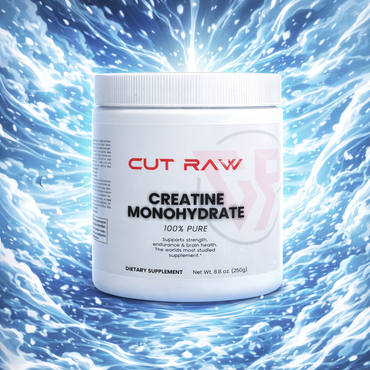
Mix 1 scoop with water and take it during or after training. Pair it with Creatine Monohydrate to maintain strength output during your cut, and save with the RELOADED 2x Bundle.
The Bottom Line
A caloric deficit doesn't have to mean muscle loss. With the right training stimulus and targeted BCAA supplementation, you can lose fat while preserving — or even building — the muscle that makes you perform. Don't cut without protecting your gains.