

Your morning sets the trajectory for everything that follows. Elite athletes and high-performers don't leave mornings to chance — they engineer them. Here's a practical, evidence-backed framework for building a morning routine that optimizes both mental sharpness and physical readiness.
Why Morning Routines Matter for Performance
The first 60–90 minutes after waking are a unique physiological window. Cortisol naturally peaks in the morning — this is called the Cortisol Awakening Response (CAR) — and your body is primed for alertness, decision-making, and physical activity. Harnessing this window intentionally produces compound performance benefits over time.
Step 1: Hydrate Before Anything Else (5 minutes)
You wake up mildly dehydrated after 7–8 hours without fluids. Even mild dehydration impairs cognitive function and mood. Before coffee, before your phone, drink 16–24oz of water. Add electrolytes if you sweat heavily at night or train first thing in the morning.
Step 2: Get Natural Light Early (10–15 minutes)
Natural light exposure in the first 30 minutes after waking anchors your circadian rhythm, boosts serotonin production, and regulates cortisol. This single habit — 10–15 minutes outside or near a bright window — has downstream effects on sleep quality, mood, and morning alertness that compound over time.
Step 3: Move Your Body (10–20 minutes)
This doesn't have to be a full training session. Even a short walk, mobility work, or 10 minutes of light movement increases blood flow to the brain, triggers BDNF (brain-derived neurotrophic factor) production, and sharpens cognitive function. If your full training session happens in the morning, this step is already covered.
Step 4: Eat a Performance Breakfast
Your brain needs fuel to perform. A performance breakfast prioritizes:
- Protein (25–40g) — supports neurotransmitter synthesis and satiety
- Healthy fats — the brain is ~60% fat; dietary fat supports cognitive function
- Complex carbohydrates — sustained glucose for sustained cognitive energy
- Choline sources (eggs are ideal) — supports acetylcholine for focus and memory
Step 5: Take Your Cognitive Performance Supplement (20–30 minutes before your peak work block)
Whether you're heading into a training session, a long work block, or a high-stakes meeting, timing your nootropic supplement to hit 20–30 minutes before your peak demand window is the optimal approach.
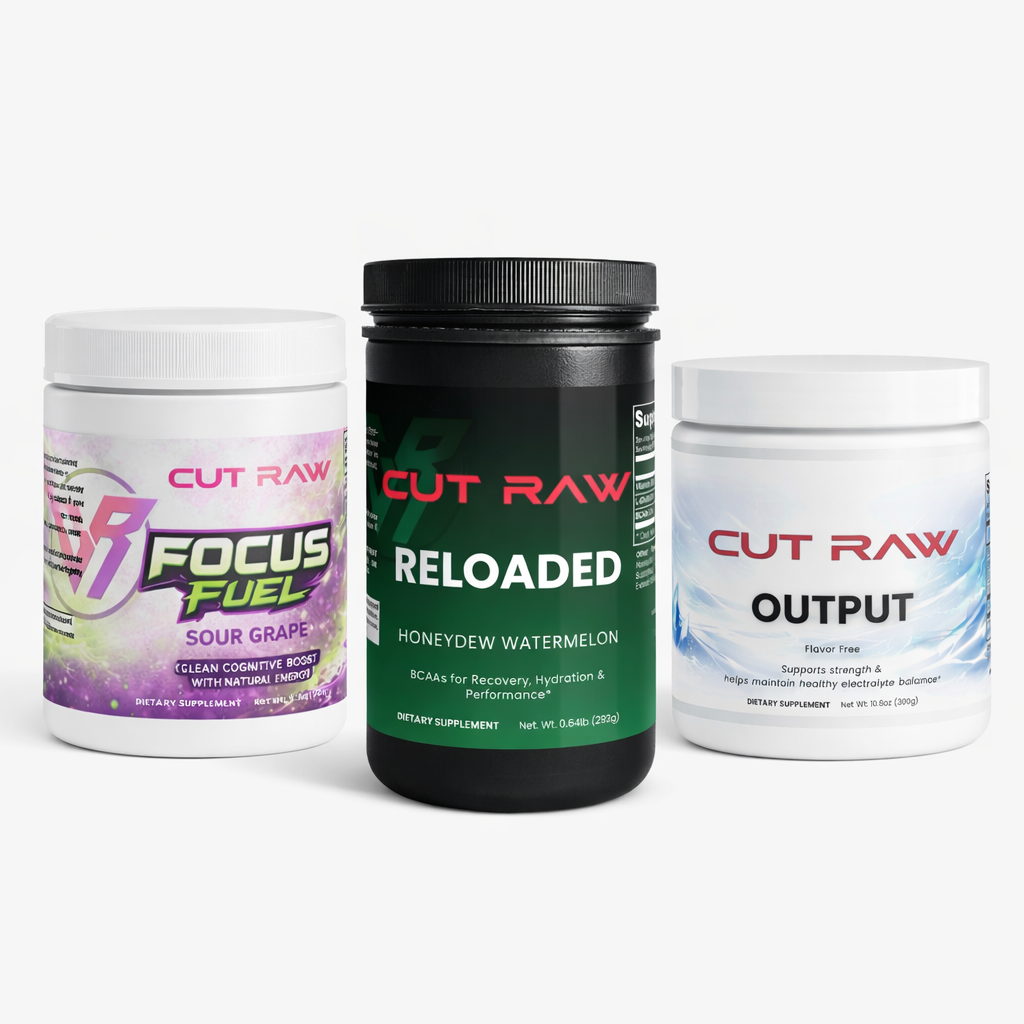
Focus Fuel taken mid-morning — after hydration, light, movement, and food — works with your body's natural morning energy curve rather than against it. You're not using it to drag yourself out of a foggy state; you're using it to extend and sharpen an already rising state of readiness.
Step 6: Protect the First Work Block
Your cognitive resources are highest in the morning. Guard this time fiercely. No reactive email. No social media. Use the first 60–90 minutes of focused work for your most demanding, high-value tasks. This is where the morning routine investment pays its highest return.
The Compounding Effect
None of these steps alone is revolutionary. But strung together consistently, they create a morning system that compounds — each habit reinforcing the others, each day building on the last. The athletes and professionals who consistently outperform their peers don't have secret weapons. They have better systems.
Start with two or three of these and build from there. Add Focus Fuel when you're ready to take the cognitive edge seriously.