

Why You Get Sore — And What to Do About It
Delayed onset muscle soreness (DOMS) is the stiffness and tenderness that peaks 24–48 hours after intense or unfamiliar training. It's caused by microscopic damage to muscle fibers during eccentric contractions — the lowering phase of a lift, the landing of a jump, or the deceleration in a sprint. This damage triggers an inflammatory response that, when managed well, leads to adaptation and growth.
The goal isn't to eliminate soreness entirely — some is a sign you've challenged your body. The goal is to manage it so it doesn't impair your next session or accumulate into chronic fatigue. Here's what actually works.
1. Prioritize Post-Workout Amino Acids
BCAAs — particularly leucine — are the primary trigger for muscle protein synthesis, the process that repairs damaged muscle fibers. Getting BCAAs in during or after training accelerates the repair process and has been shown in research to reduce DOMS severity and duration.
L-Glutamine complements this by reducing muscle breakdown and supporting the immune response to training-induced inflammation. Together, they form the core of an effective post-workout recovery protocol.
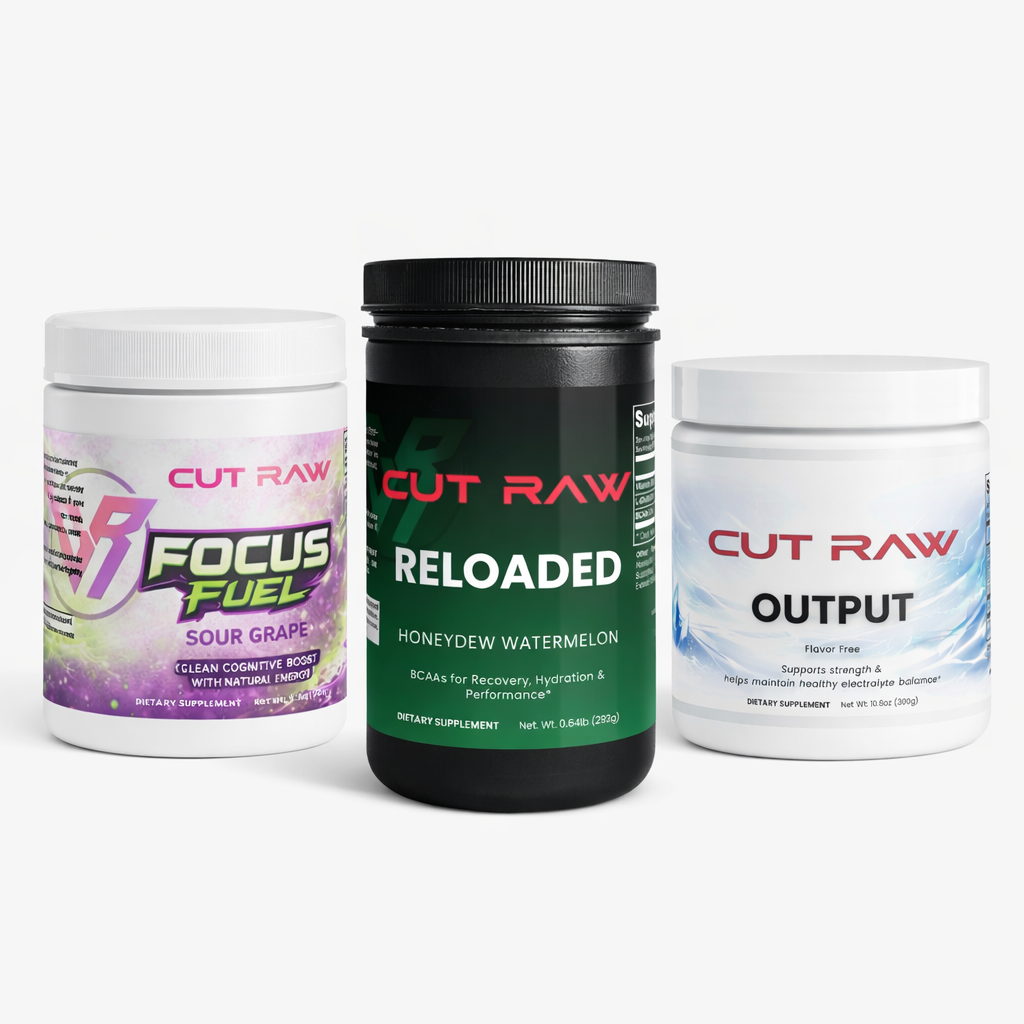
RELOADED delivers 4,000mg of BCAAs at a 2:1:1 ratio and 1,000mg of L-Glutamine per serving — mix 1 scoop with water immediately after training.
2. Rehydrate With Electrolytes, Not Just Water
Dehydration amplifies soreness and slows recovery. But rehydrating with plain water after a hard session isn't enough — you've also lost sodium, potassium, and magnesium through sweat. These electrolytes are essential for muscle function and the inflammatory resolution process. RELOADED includes electrolytes specifically for this reason.
3. Support Overnight Recovery With Magnesium
Magnesium plays a direct role in muscle relaxation — it's the physiological counterpart to calcium, which drives muscle contraction. Low magnesium means muscles can't fully release tension after training, which contributes to soreness and stiffness. Supplementing with magnesium glycinate before bed supports muscle relaxation and the overnight repair process.
DOWNSHIFT delivers 275mg of elemental magnesium from highly bioavailable magnesium glycinate — take 3 capsules 30–60 minutes before bed on training days and rest days alike.
4. Use Active Recovery, Not Complete Rest
Light movement on rest days — walking, swimming, easy cycling, or gentle mobility work — increases blood flow to sore muscles without adding training stress. This accelerates the clearance of inflammatory byproducts and reduces soreness duration more effectively than complete rest.
5. Don't Skip the Warm-Up
A proper warm-up increases muscle temperature, improves range of motion, and prepares the neuromuscular system for the demands of training. Athletes who warm up properly experience less DOMS after sessions because the muscles are better prepared for the eccentric loading that causes damage.
6. Manage Training Volume Progressively
The most reliable way to reduce chronic soreness is to increase training volume gradually rather than jumping to high loads or high volume too quickly. The "repeated bout effect" means that muscles adapt to specific types of stress — the second time you do a workout, you'll be significantly less sore than the first. Progressive overload, not random intensity spikes, is the key.
Build Your Recovery Stack
For a complete post-workout recovery protocol: RELOADED immediately after training for amino acids and electrolytes, and DOWNSHIFT before bed for muscle relaxation and overnight repair. Save on both with the RELOADED 2x Bundle.