

The Energy Drink Problem
Energy drinks are everywhere — and they're marketed hard at athletes, students, gamers, and professionals who need to perform under pressure. But strip away the branding and most energy drinks are delivering the same thing: a large dose of synthetic caffeine, sugar (or artificial sweeteners), and a handful of B-vitamins thrown in for optics.
That's not a cognitive performance formula. That's a stimulant with a label.
What Energy Drinks Actually Do
The caffeine in most energy drinks hits fast and hard, producing a sharp spike in alertness followed by an equally sharp crash 2–3 hours later. The sugar (in non-zero versions) adds a secondary spike and crash on top of that. The result is a cycle of dependency — you need more caffeine to maintain baseline function, and your natural energy regulation gets disrupted over time.
Common side effects of regular energy drink consumption include:
- Jitteriness and anxiety
- Heart palpitations at high doses
- Disrupted sleep (especially with afternoon or evening consumption)
- Energy crashes that impair afternoon productivity
- Tolerance buildup requiring higher doses for the same effect
What Nootropics Actually Do
A well-formulated nootropic doesn't just stimulate — it supports the underlying biology of cognitive performance. That means:
- Neurotransmitter support — ingredients like Alpha-GPC support acetylcholine production, directly enhancing memory and focus at the neurochemical level
- Cerebral blood flow — compounds like Asian Ginseng and L-Arginine support oxygen and nutrient delivery to the brain
- Smooth, balanced energy — natural caffeine paired with L-theanine delivers focus without the spike-and-crash pattern
- Stress resilience — adaptogens and B-vitamins support the body's ability to maintain performance under mental load
The Cost Comparison
The average energy drink costs $3–4 per can. If you're drinking one or two a day, that's $90–$120 per month on a product that's mostly caffeine and marketing.
Focus Fuel at $44.95 delivers a full month of clean cognitive support — with a formula actually designed to support brain function, not just stimulate it. That's less than $1.50 per serving for a stack that outperforms any energy drink on the market.
When to Choose Each
To be fair: if you need a quick caffeine hit and nothing else is available, an energy drink will do the job. But for daily cognitive support, sustained focus, and long-term brain health, a clean nootropic formula is the smarter choice by every measure.
Upgrade Your Focus Stack
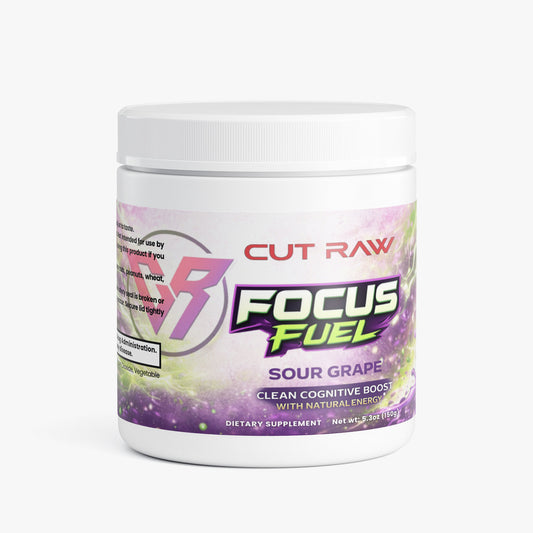
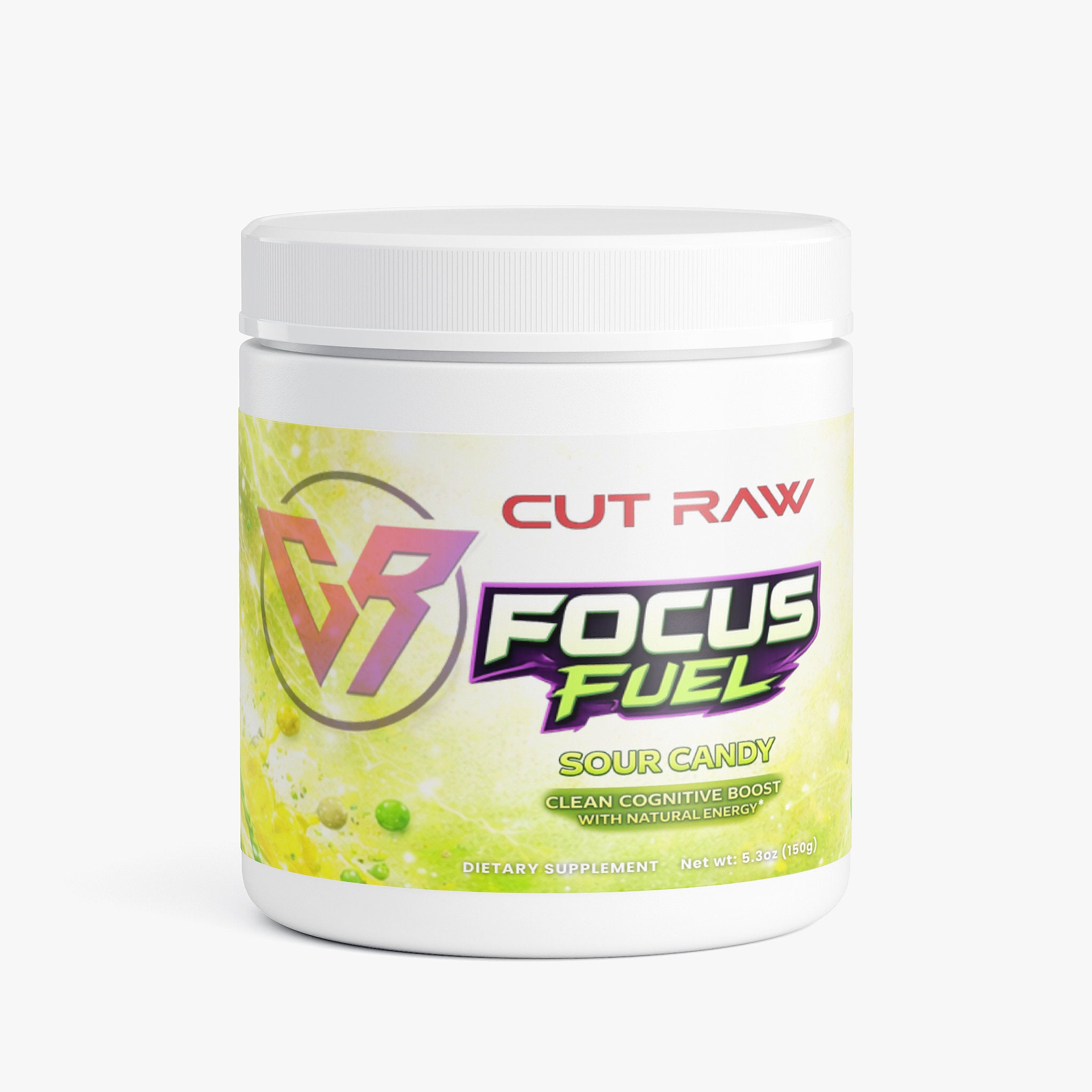
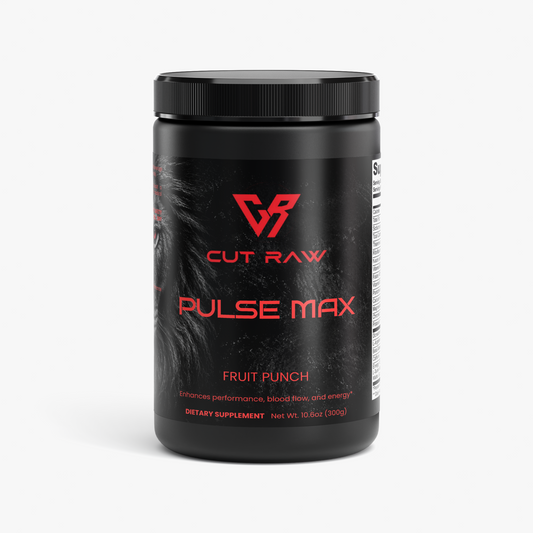
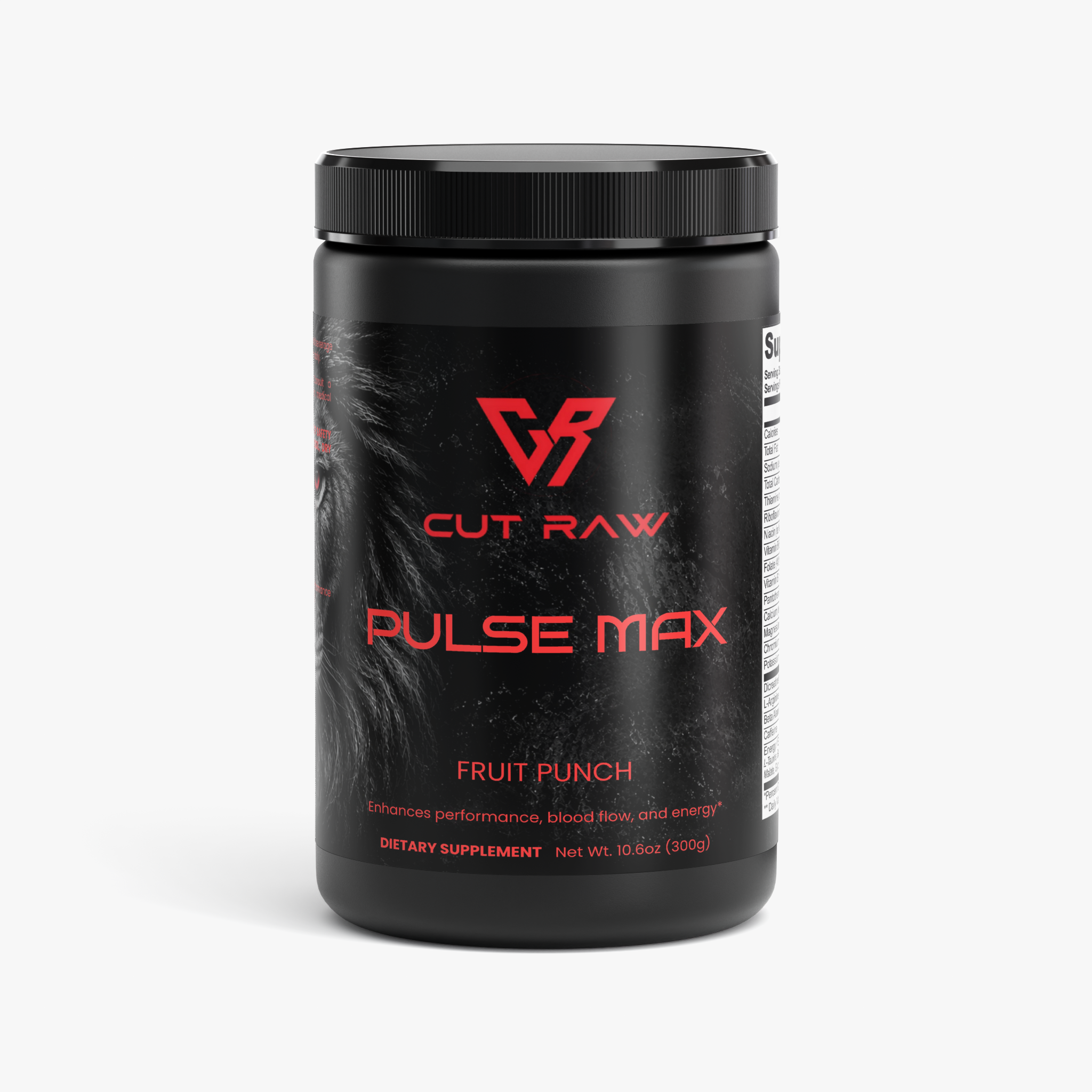
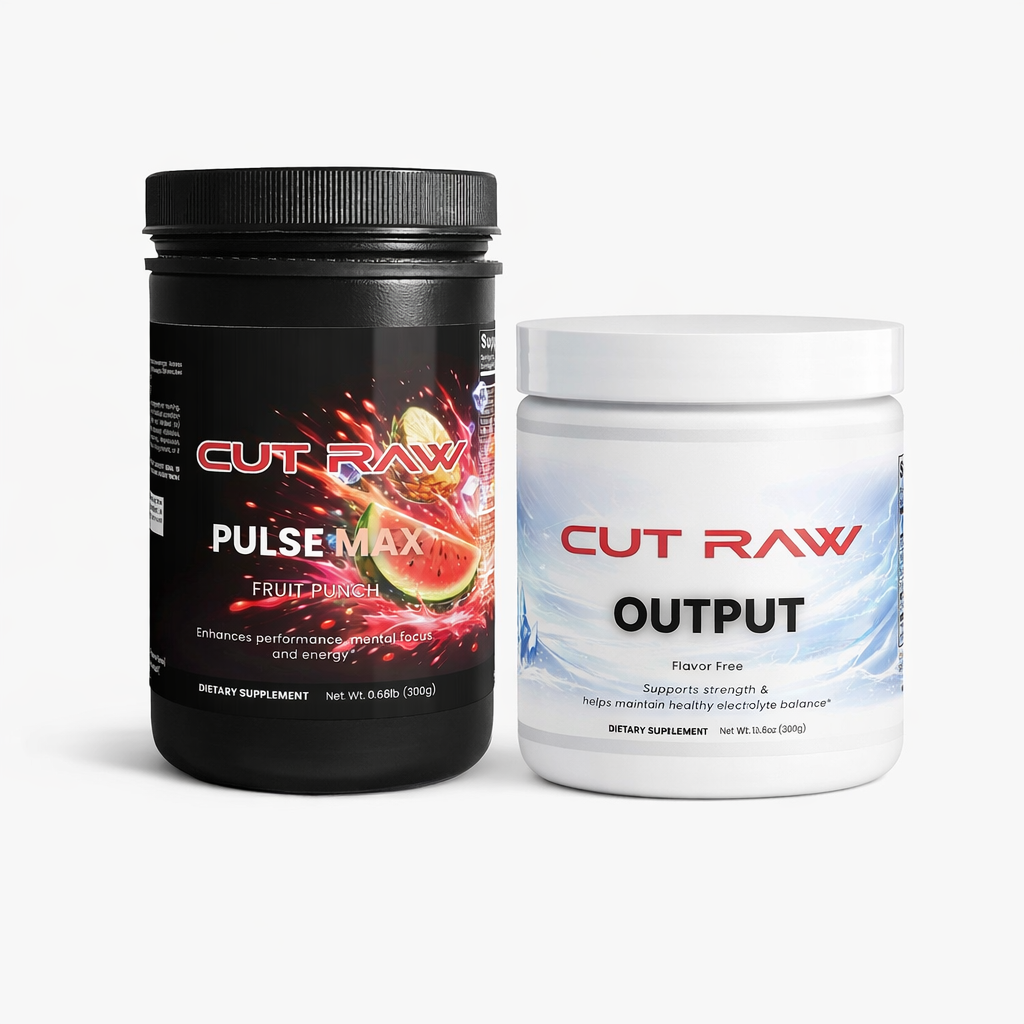
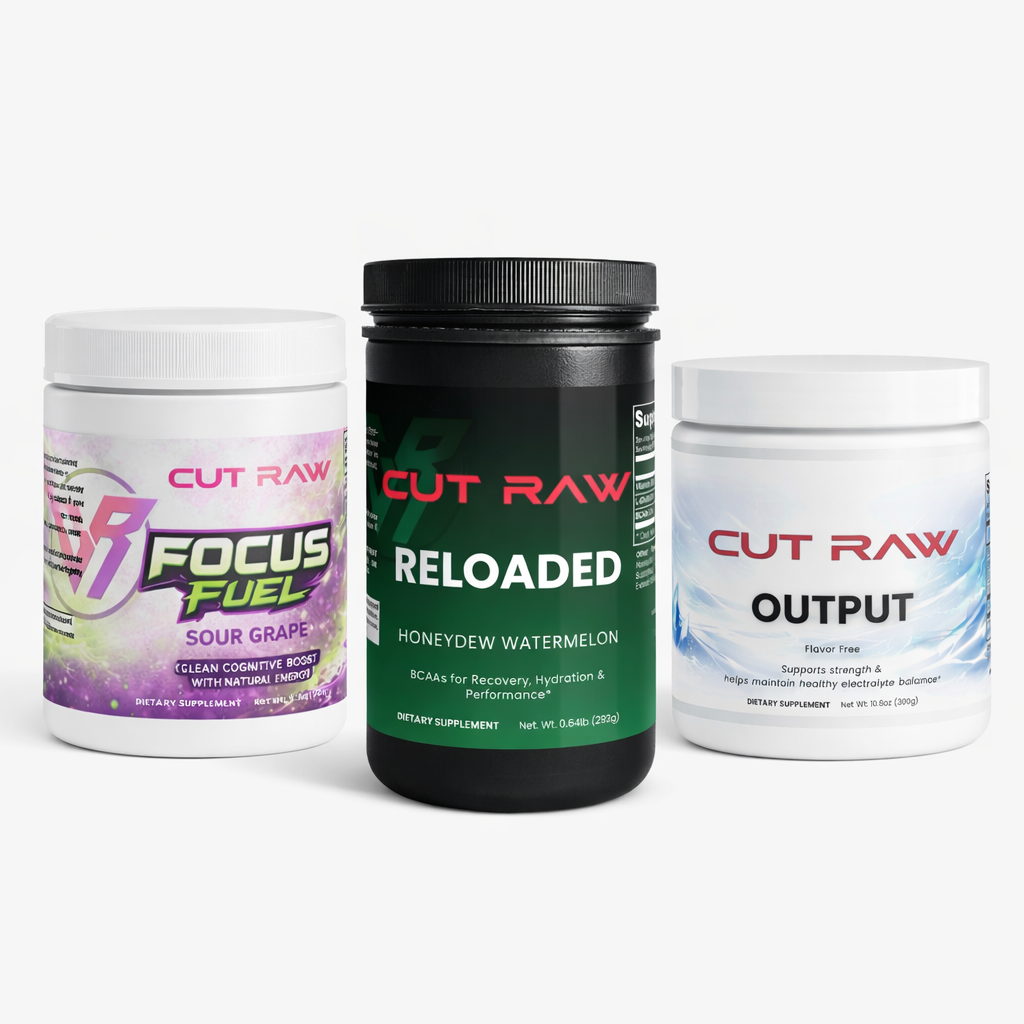
Try Focus Fuel — available in Sour Grape and Sour Candy. For athletes who also need physical performance support, pair it with PULSE MAX pre-workout for a complete mental and physical edge. Or grab the Focus Fuel 2x Bundle and save.