

Timing Is Everything — Or Is It?
Pre-workout timing is one of the most debated topics in sports nutrition. Take it too early and the effects peak before you're even warmed up. Take it too late and you're mid-set before it kicks in. And if you train in the evening, the wrong timing can wreck your sleep.
Here's a clear, practical guide to timing your pre-workout for maximum benefit — across different training schedules and goals.
The Standard Window: 20–30 Minutes Before Training
For most people, taking pre-workout 20–30 minutes before training is the sweet spot. This gives the key ingredients time to absorb and reach effective concentrations in your bloodstream right as you begin your warm-up:
- Caffeine peaks in the bloodstream around 30–60 minutes after ingestion
- Citrulline Malate begins increasing nitric oxide production within 30–60 minutes
- Beta-Alanine starts buffering lactic acid within 30–45 minutes
- L-Tyrosine supports focus onset within 30–60 minutes
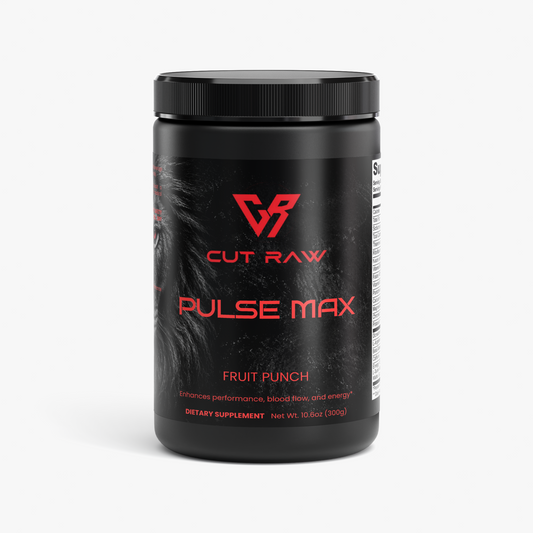
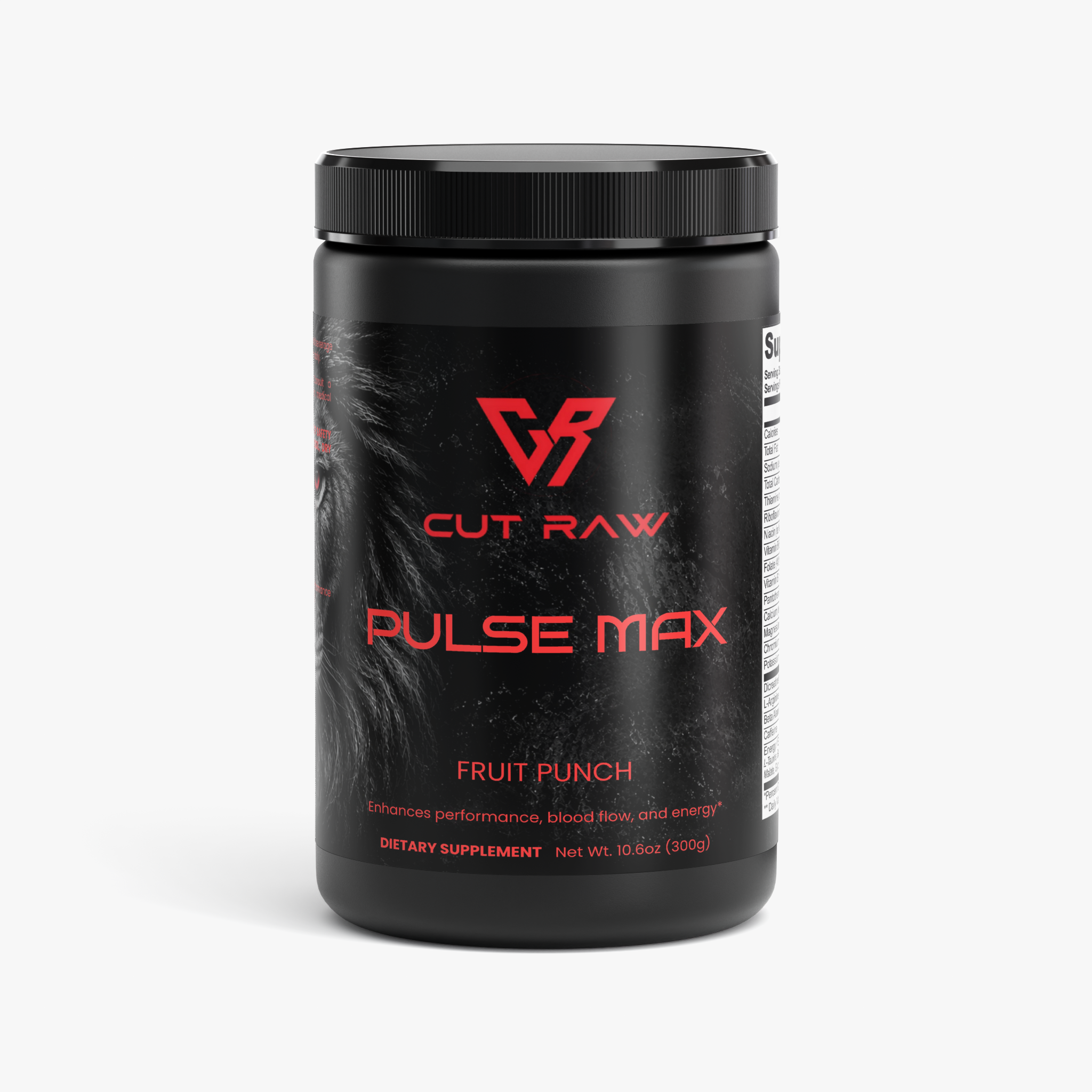
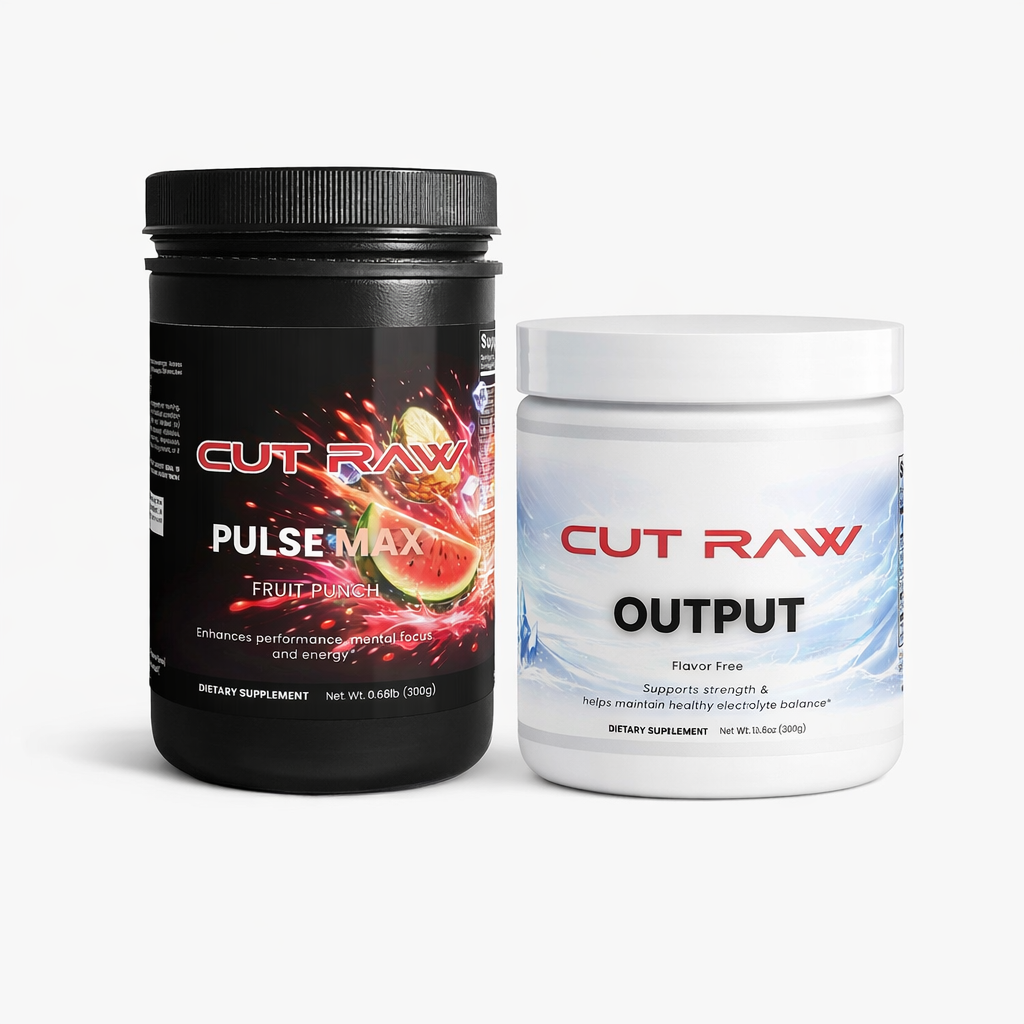
Taking PULSE MAX 25–30 minutes before your session puts all 23 ingredients in the optimal absorption window for your first working set.
Morning Training: Train Fasted or Fed?
If you train first thing in the morning, you have two options:
Fasted training with pre-workout: Take PULSE MAX 20–30 minutes before training without eating. The caffeine and focus ingredients will be absorbed faster on an empty stomach, producing a quicker and sometimes more intense effect. This works well for shorter sessions but may cause nausea in sensitive individuals.
Fed training: Have a light, easily digestible snack (banana, rice cake, small amount of oats) 30–60 minutes before training, then take your pre-workout 20–30 minutes before you start. This provides fuel for the session and buffers any GI sensitivity.
Afternoon Training: The Optimal Window
Afternoon training (12–3pm) is when most people's body temperature, reaction time, and strength output are naturally at their peak. Pre-workout taken in this window tends to feel most effective because it's amplifying an already-elevated physiological state. If your schedule allows afternoon training, this is the ideal time.
Evening Training: Protect Your Sleep
Late-night training is where pre-workout timing becomes most critical. Caffeine has a half-life of 5–6 hours — meaning a 200mg dose taken at 7pm still has 100mg active in your system at midnight. For most people, this significantly impairs sleep quality even if they can fall asleep.
Strategies for evening training:
- Start with 1 scoop of PULSE MAX instead of 2 to reduce total caffeine load
- Set a hard cutoff — don't take pre-workout within 5–6 hours of your intended sleep time
- Pair with DOWNSHIFT before bed to support nervous system downregulation and sleep quality after a stimulant-containing session
Rest Days: Skip It
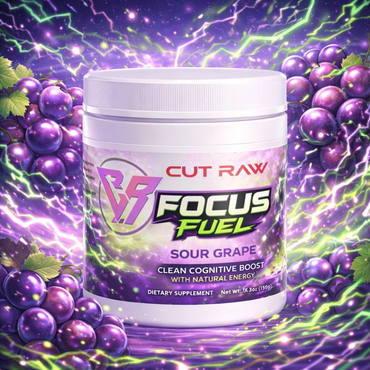
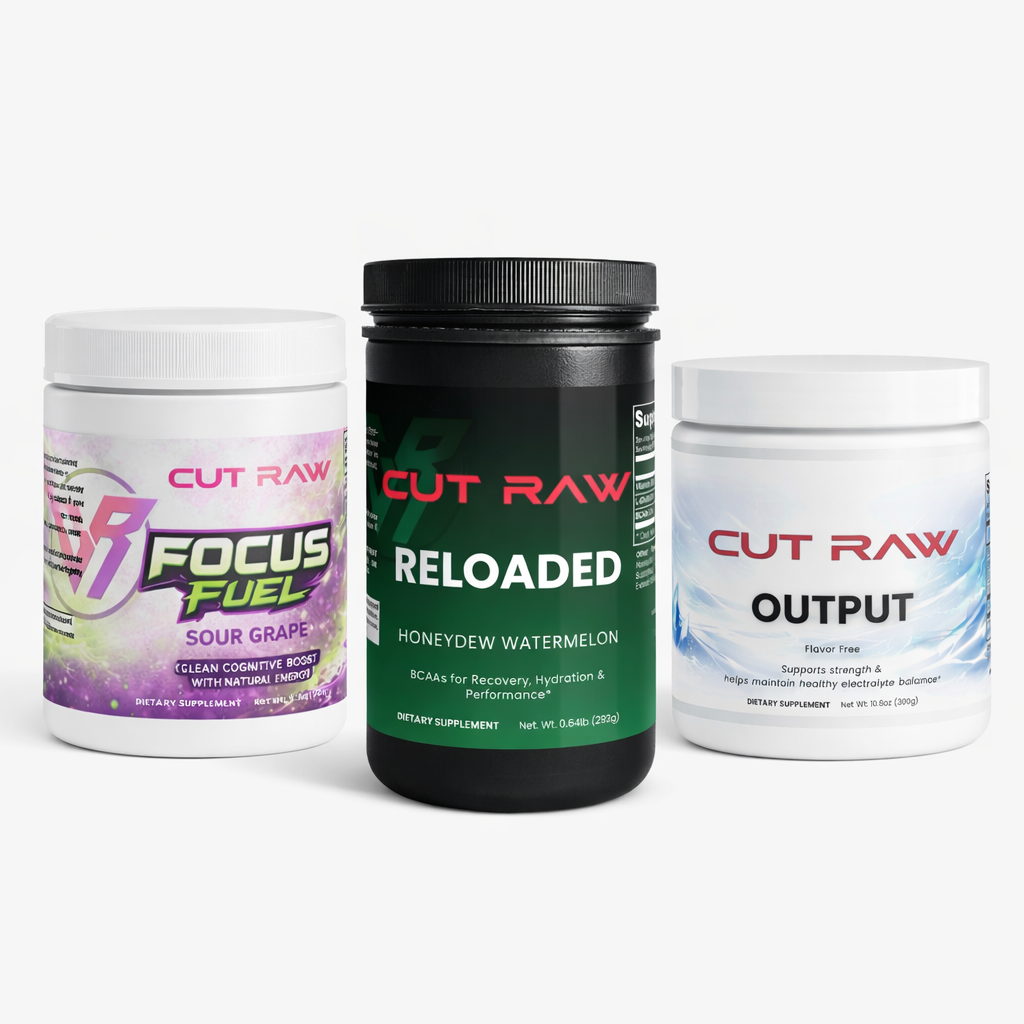
Pre-workout is a training tool, not a daily energy supplement. On rest days, skip it entirely. This preserves your caffeine sensitivity, prevents tolerance buildup, and lets your adenosine receptors reset. Use Focus Fuel on rest days if you need cognitive support without the training-specific stimulant load.
Get PULSE MAX
At $1.30 per serving, PULSE MAX is one of the most cost-effective high-performance pre-workouts available. Stock up with the PULSE MAX 2x Bundle and never run out mid-training block.