

Protein Is Made of Amino Acids — But Not All Amino Acids Are Equal
You've heard that protein builds muscle. But protein is just a delivery mechanism — what actually does the work are the amino acids that protein is broken down into. Understanding which amino acids matter most for muscle building, and why, gives you a significant edge in optimizing your nutrition and supplementation strategy.
Essential vs. Non-Essential Amino Acids
There are 20 amino acids used by the human body. Nine are classified as essential — meaning your body cannot synthesize them and must obtain them from food or supplements. The remaining 11 are non-essential, meaning your body can produce them from other compounds (though demand can exceed production during intense training).
For muscle building, the essential amino acids — particularly the branched-chain amino acids (BCAAs) — are the most critical.
The BCAAs: Leucine, Isoleucine, and Valine
BCAAs are three essential amino acids with a unique branched molecular structure. Unlike most amino acids, which are metabolized in the liver, BCAAs are metabolized directly in muscle tissue — making them immediately available for energy and repair during training.
Leucine is the most important of the three for muscle building. It directly activates the mTOR pathway — the primary cellular signaling cascade that triggers muscle protein synthesis. Without adequate leucine, the muscle-building signal is weak regardless of how much total protein you consume. Research suggests a minimum of 2–3g of leucine per meal is needed to maximally stimulate MPS.
Isoleucine supports glucose uptake into muscle cells during training, providing fuel for working muscles and supporting the energy demands of repair.
Valine supports nitrogen balance in muscle tissue and plays a role in energy metabolism during prolonged exercise.
The 2:1:1 ratio (2 parts leucine to 1 part each of isoleucine and valine) is the most researched and widely validated ratio for muscle protein synthesis — which is why it's the standard in quality BCAA supplements.
L-Glutamine: The Recovery Amino Acid
Glutamine is the most abundant amino acid in muscle tissue and the most rapidly depleted during intense training. While it's classified as non-essential, it becomes conditionally essential during high training volumes — demand outpaces the body's ability to produce it.
Glutamine supports muscle recovery by reducing protein breakdown, supporting gut integrity (which affects nutrient absorption), and fueling immune cells that are stressed by intense training.
How to Optimize Your Amino Acid Intake
For athletes focused on muscle building and recovery:
- Consume adequate total protein (0.7–1g per lb of bodyweight daily) from complete protein sources
- Ensure each meal contains sufficient leucine to trigger MPS (eggs, meat, fish, and dairy are excellent sources)
- Supplement with BCAAs during and after training to reduce breakdown and accelerate repair in the critical post-workout window
- Add glutamine for additional recovery support during high-volume training blocks
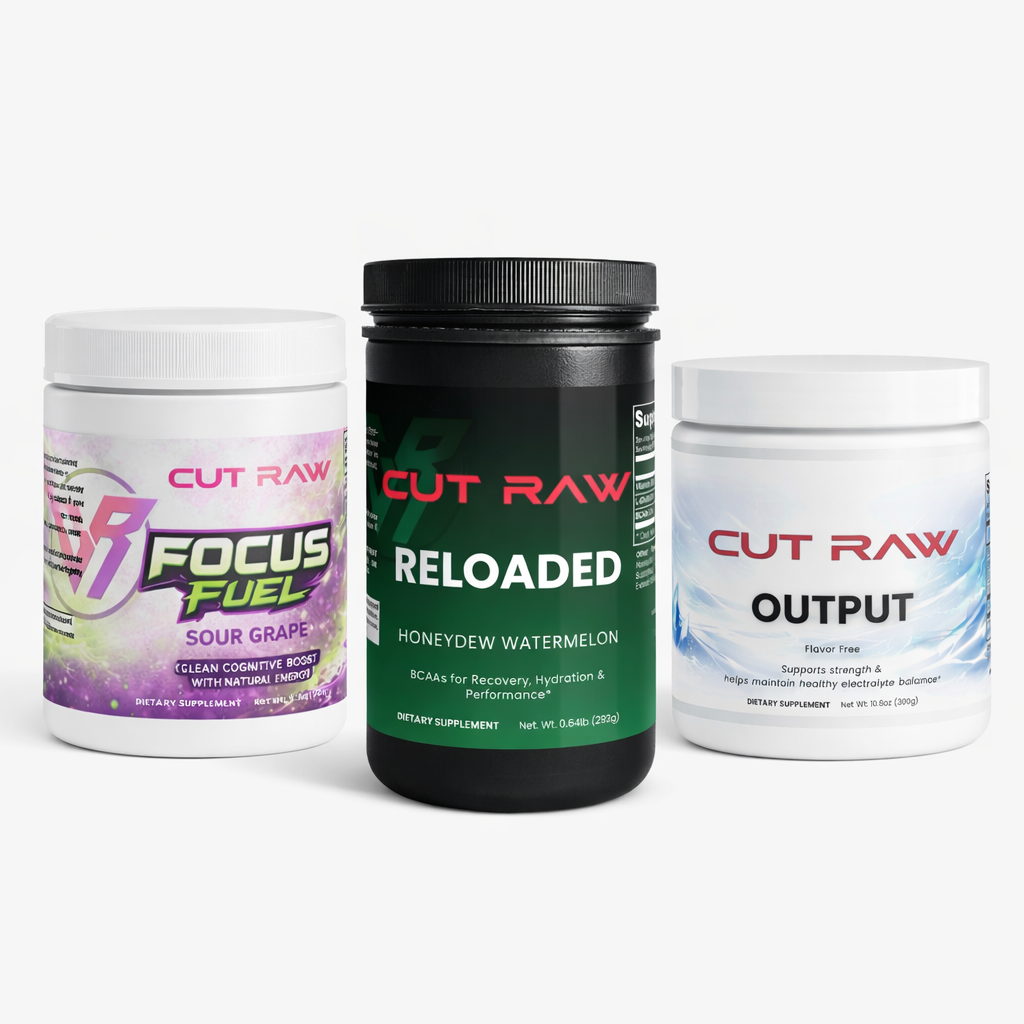
RELOADED: Your Complete Amino Acid Recovery Formula
RELOADED delivers 4,000mg of BCAAs at the research-validated 2:1:1 ratio and 1,000mg of L-Glutamine per serving — covering both the muscle-building signal (leucine) and the recovery support (glutamine) in a single, stimulant-free formula.
Mix 1 scoop with 12–20 oz of cold water during or after training. Available in Fruit Punch and Honeydew Watermelon. Save with the RELOADED 2x Bundle and pair with Creatine Monohydrate for a complete muscle building and recovery stack.
The Bottom Line
Muscle building starts with amino acids — specifically leucine-rich BCAAs that trigger protein synthesis and glutamine that supports recovery. Get your diet right first, then use targeted supplementation to fill the gaps and optimize the windows that matter most.