

Caffeine is the world's most widely consumed psychoactive compound. But not all caffeine is the same — and if you're serious about your cognitive performance, the source matters more than you think.
Let's break down the difference between natural and synthetic caffeine, and why it should influence every supplement decision you make.
What Is Synthetic Caffeine?
Synthetic caffeine is chemically manufactured in a lab, typically from urea and chloroacetic acid. It's what you'll find in most energy drinks, pre-workouts, and cheap focus supplements. From a molecular standpoint, it's identical to natural caffeine — same structure, same mechanism of action.
But the way your body processes it is a different story.
Synthetic caffeine is absorbed significantly faster than its natural counterpart. That rapid spike is what gives you that initial "hit" — but it's also what leads to the inevitable crash, jitters, and heart pounding that many people associate with energy drinks.
What Is Natural Caffeine?
Natural caffeine is extracted from plant sources — most commonly green tea leaves, green coffee beans, guarana, or yerba mate. Because it comes bound to other plant compounds like polyphenols and antioxidants, the absorption rate is slower and more regulated.
The result: a smoother onset, longer-lasting energy, and a far gentler comedown.
The Key Differences at a Glance
- Absorption speed: Synthetic is faster (can cause spikes and crashes). Natural is slower and more sustained.
- Side effect profile: Synthetic is more likely to cause jitteriness, anxiety, and energy crashes. Natural is generally better tolerated.
- Additional compounds: Natural caffeine comes with naturally occurring antioxidants and plant compounds that support overall health. Synthetic has none.
- Label transparency: Natural caffeine sources should be explicitly listed (e.g., "green tea extract"). "Caffeine" alone usually means synthetic.
The L-Theanine Factor
Here's where things get really interesting for focus specifically. L-Theanine — an amino acid found naturally in green tea — has been shown to work synergistically with caffeine to produce what researchers call "calm alertness."
This combination sharpens attention, improves reaction time, and reduces the anxiety and overstimulation that caffeine alone can produce. It's one of the most well-researched cognitive stacks in sports and performance science.
The ideal ratio is typically 2:1 L-Theanine to caffeine. This is exactly why premium focus supplements stack these two ingredients together — it's not just marketing, it's neuroscience.
What This Means for Your Supplement Choices
When you're evaluating a cognitive performance supplement, check the label for:
- The source of caffeine ("green tea extract" or "green coffee bean" = natural)
- The presence of L-Theanine alongside caffeine
- A fully disclosed label with no proprietary blends hiding exact doses
Cheap products use synthetic caffeine because it's inexpensive and provides an immediate noticeable effect. Premium products use natural caffeine because the long-term performance — and the user experience — is simply better.
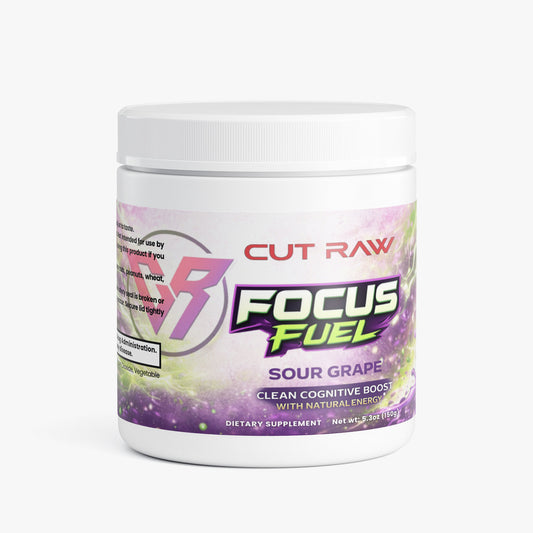
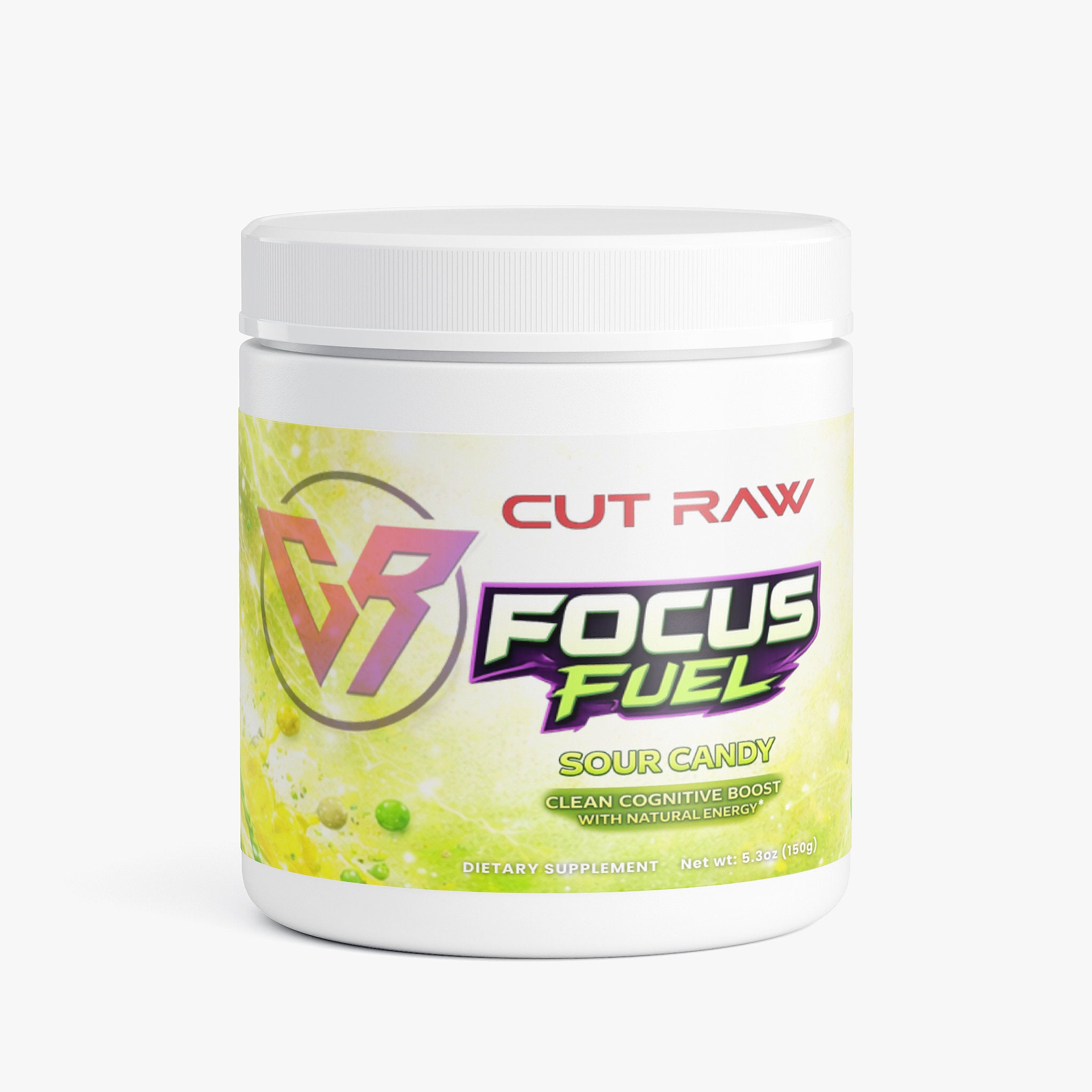
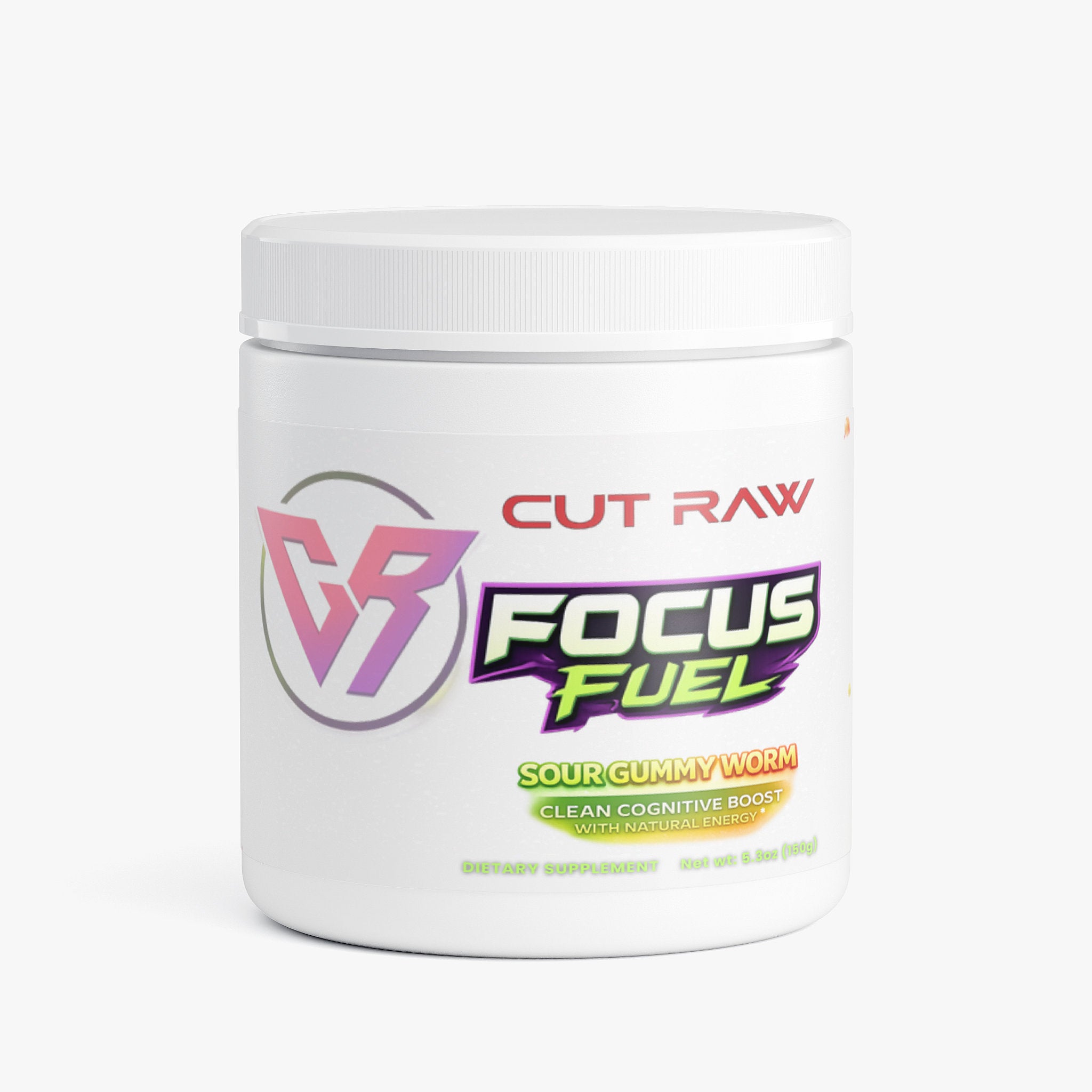
Focus Fuel's Approach
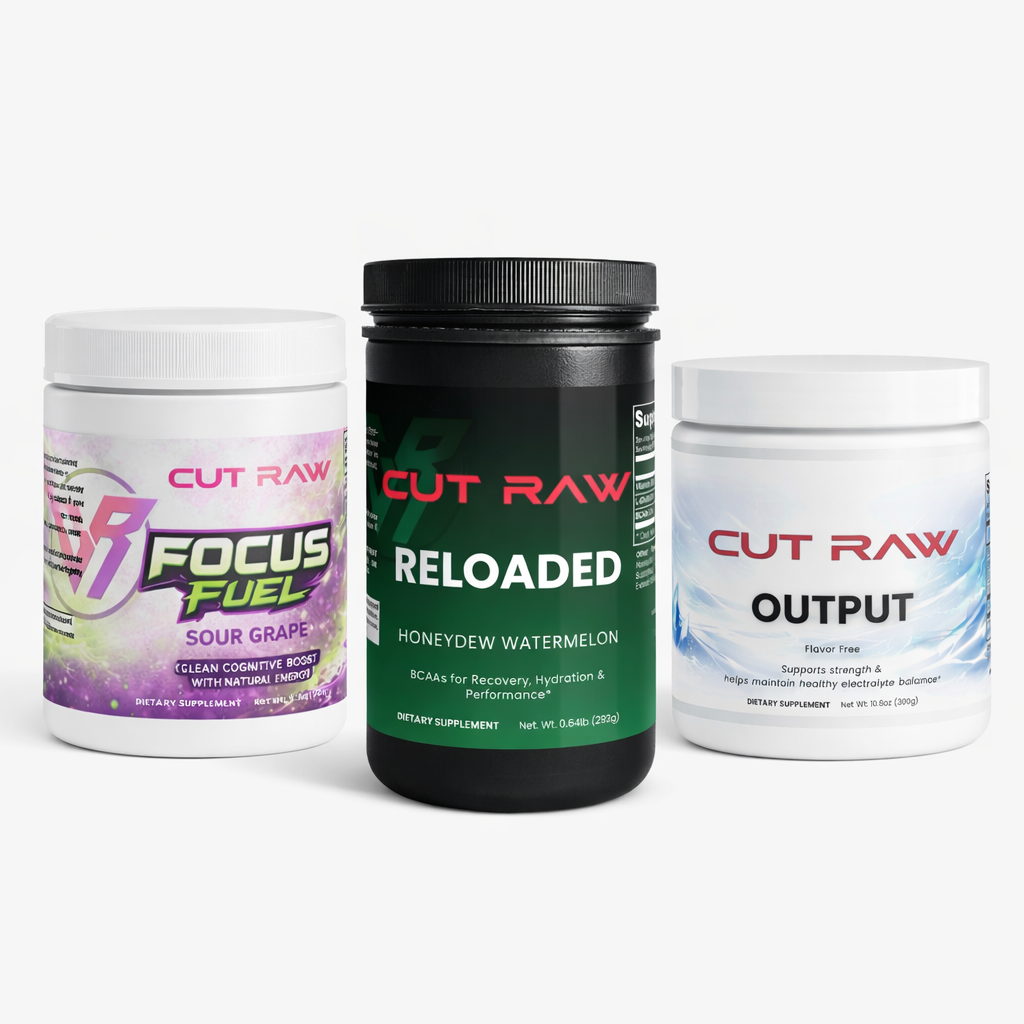
Focus Fuel is built on natural caffeine paired with L-Theanine in research-backed ratios. No synthetic stimulants, no artificial energy spikes — just clean, sustained cognitive performance engineered for athletes who demand more.