

You've probably seen the word "nootropic" popping up more and more — on supplement labels, in performance podcasts, across fitness forums. But what does it actually mean? And more importantly, does it actually work?
This guide breaks it all down so you can make an informed decision about whether a cognitive performance supplement belongs in your routine.
What Is a Nootropic?
The term "nootropic" was coined in 1972 by Romanian chemist Corneliu Giurgea. He defined it as a substance that enhances cognitive function — specifically memory, focus, creativity, and mental clarity — without significant side effects or toxicity.
Today, the term has expanded to include a broad range of compounds, both natural and synthetic, that support brain performance. Think of nootropics as performance supplements for your mind, the same way protein and creatine are performance supplements for your body.
Natural vs. Synthetic Nootropics
Not all nootropics are created equal. There are two main categories:
- Natural nootropics include ingredients like L-Theanine, Lion's Mane mushroom, Bacopa Monnieri, Rhodiola Rosea, and natural caffeine from green tea or coffee beans. These tend to have long safety records and are well-studied.
- Synthetic nootropics (also called smart drugs) include compounds like racetams and modafinil. These are more potent but come with greater risk, less research, and in many cases require a prescription.
For athletes and high-performers looking for a daily edge, natural nootropics are almost always the smarter, safer choice.
What Can Nootropics Actually Do?
Here's what the research supports for well-formulated, natural nootropic supplements:
- Improved focus and concentration — particularly under stress or fatigue
- Faster mental processing — quicker reaction times and decision-making
- Reduced brain fog — especially post-training or in the afternoon energy crash window
- Sustained energy without crashes — when powered by natural caffeine + L-Theanine
- Mood support — some adaptogens help regulate cortisol and reduce anxiety
What nootropics won't do: make you a genius overnight, replace sleep, or compensate for a poor diet. They're a tool — a performance tool — not a magic pill.
Who Should Consider a Nootropic Supplement?
Nootropic supplements aren't just for biohackers and Silicon Valley execs. They're increasingly popular among:
- Athletes who want mental sharpness to match physical conditioning
- Competitive professionals in high-pressure, high-output roles
- Students managing heavy academic loads
- Anyone dealing with chronic brain fog, afternoon energy crashes, or difficulty sustaining focus
If you've ever felt like your mind isn't keeping pace with your ambition, a nootropic supplement is worth exploring.
What Makes a Good Nootropic Formula?
Not all nootropic products are worth your money. When evaluating a formula, look for:
- Transparency — full ingredient disclosure, no proprietary blends hiding underdosed actives
- Clinically studied ingredients — L-Theanine, natural caffeine, Alpha-GPC, Rhodiola, Lion's Mane
- Clean label — no artificial dyes, unnecessary fillers, or synthetic stimulants
- Balanced energy — caffeine should be paired with L-Theanine for smooth, crash-free focus
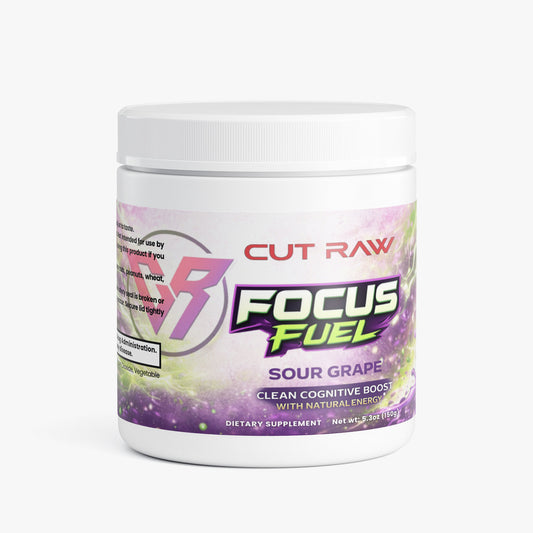
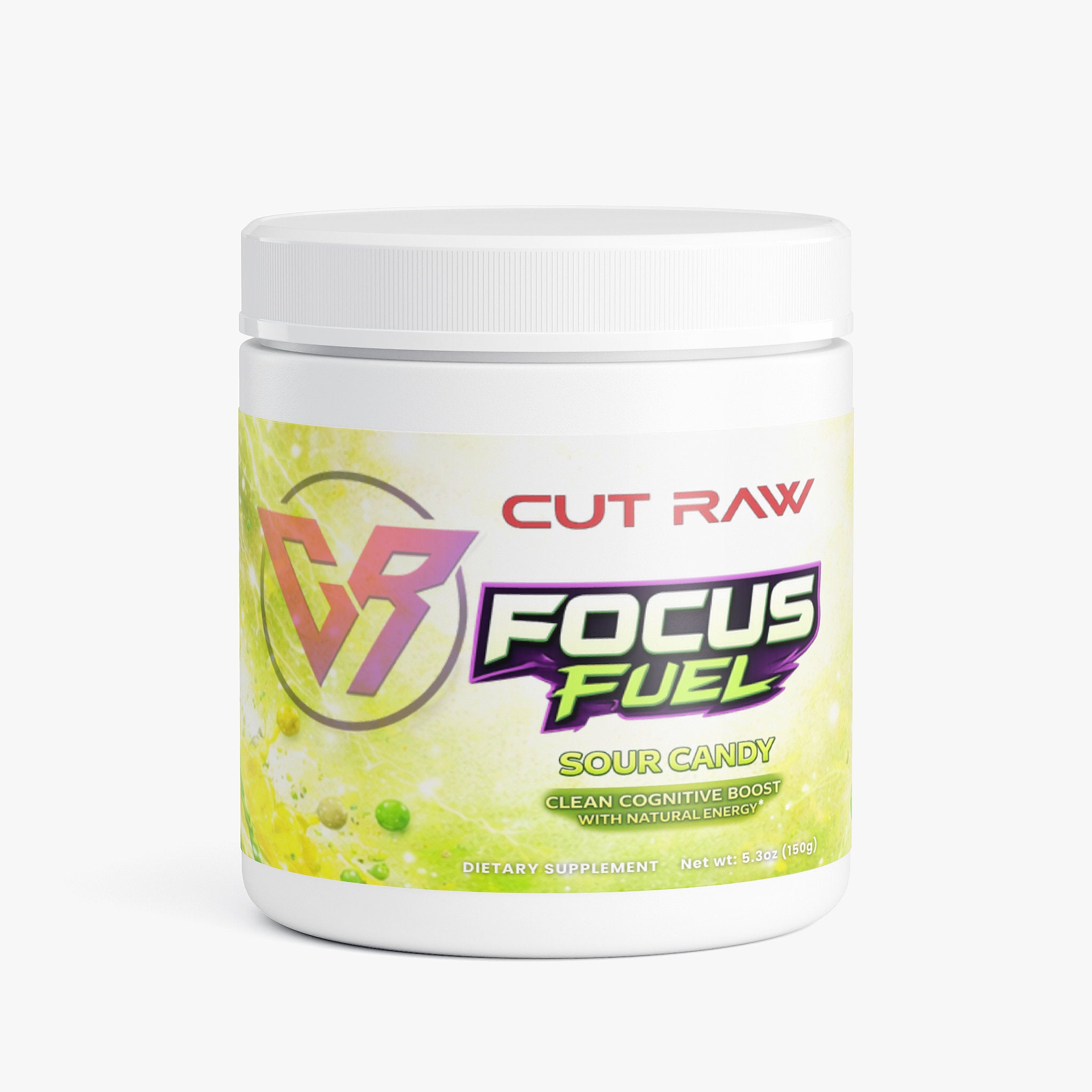
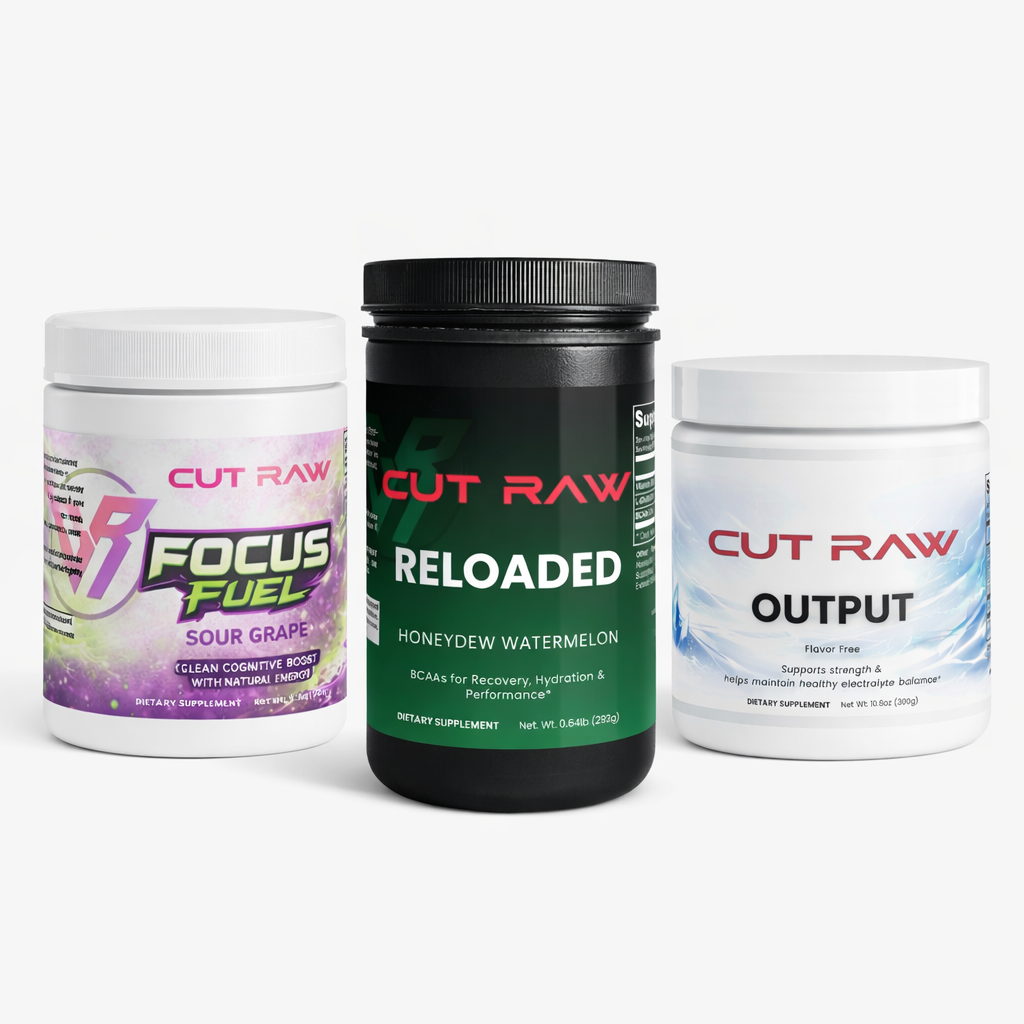
This is exactly the standard we built Focus Fuel around. No shortcuts. No junk. Just a clean, transparent formula that actually delivers on its promises.
Ready to Experience the Difference?
If you're new to nootropics and want a clean entry point, Focus Fuel is engineered specifically for athletes and high-performers who demand more from their minds — without compromising their clean-label standards.